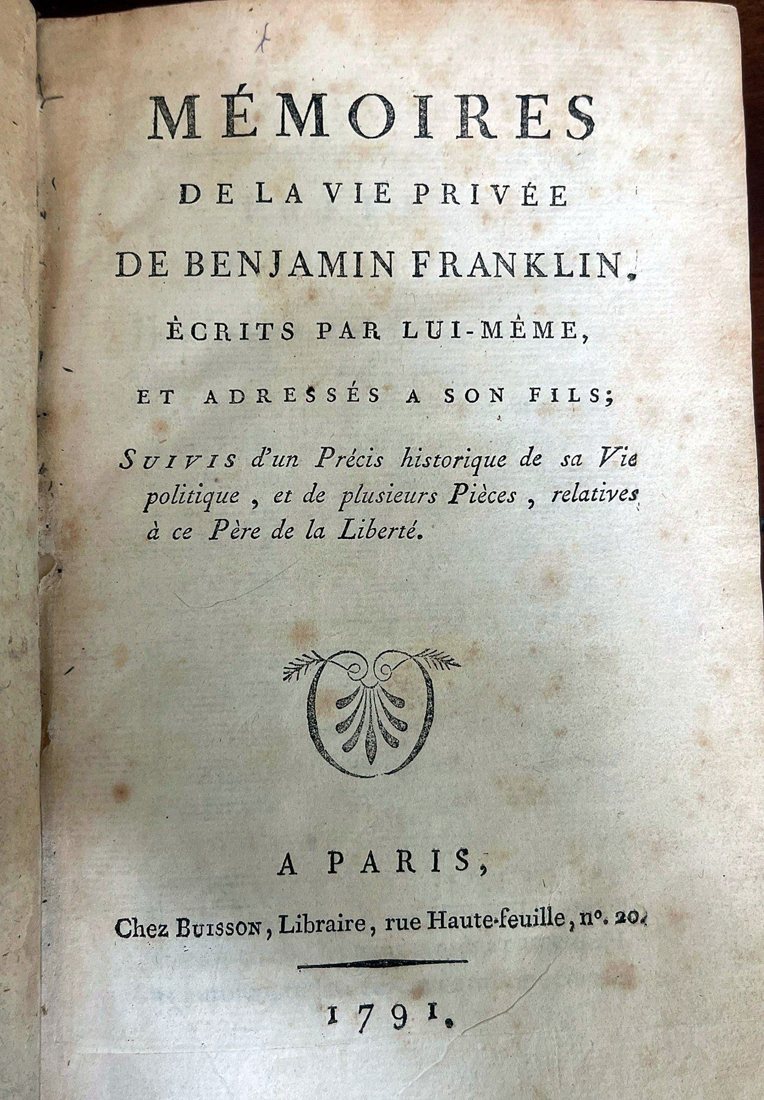
Franklin died in April 1790, and the argument over what he had been began at once. He had left an unfinished autobiography, written in three bursts over eighteen years in England, France and Philadelphia, and he left it to his grandson William Temple Franklin, who sat on the manuscript for twenty-eight years. The result was that the first life of Franklin the world read was a French translation of the first part alone, published in Paris in 1791, which was then translated back into English from the French, mistakes and all.
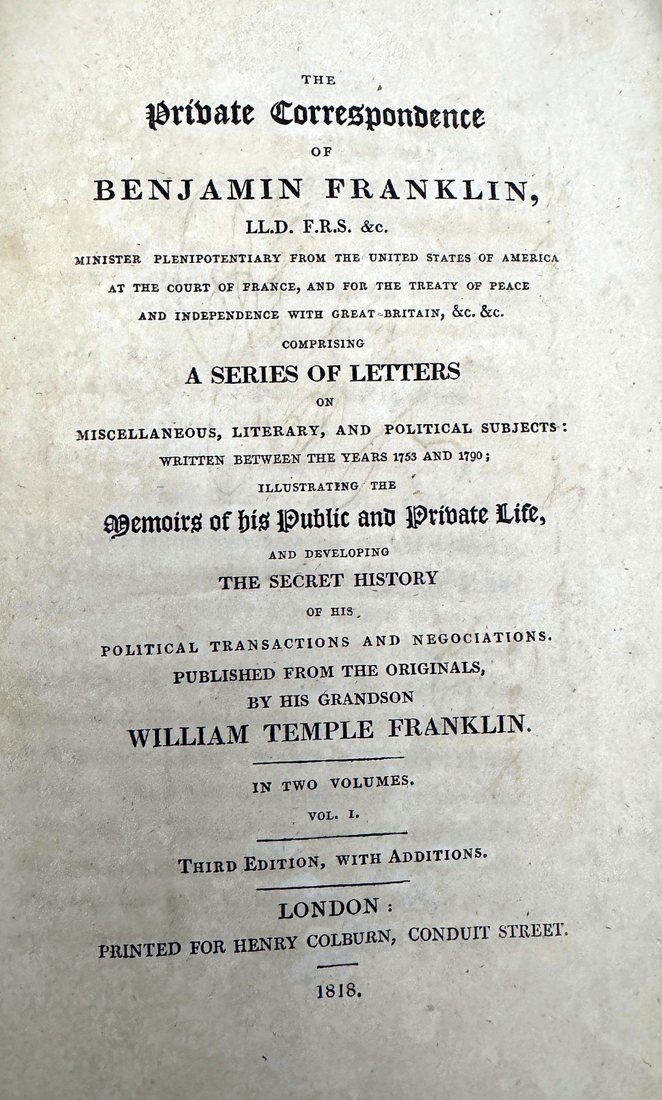
For thirty years the editions multiplied in every European language, each padded out with whatever the editor could find: letters, essays, other men's anecdotes. The honest text of the private letters did not appear until 1818, and a reliable text of the autobiography not until 1868. By then the printer had been rebuilt as a national character, thrifty and industrious and homely, and a good deal less interesting than the man who wrote the letters.
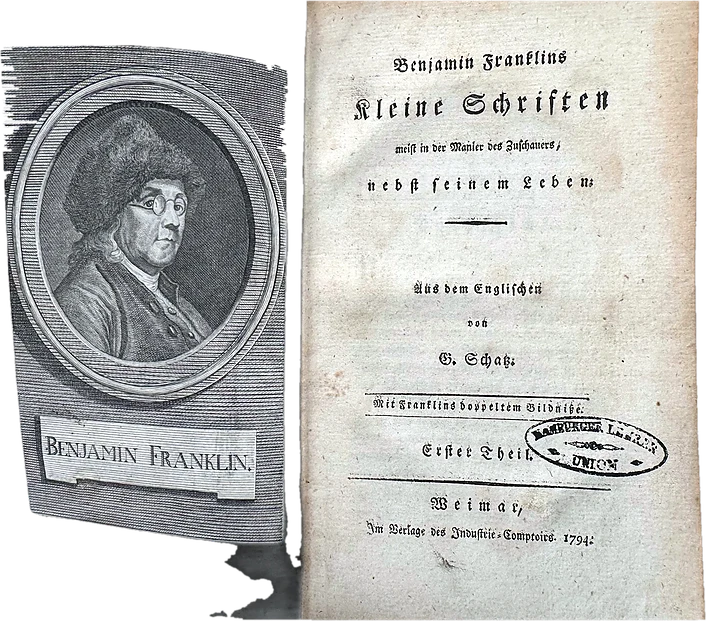
Europe read Franklin in every language, and Franklin encouraged all of it. He understood, better than any American before him, that a reputation was a thing that could be printed. The collected Franklin was a European invention before it was an American one: Dubourg's French Oeuvres of 1773, Vaughan's London collection of 1779 with an errata leaf in Franklin's own hand, then Dresden and Padua. The Americans came last, and came by way of the French.
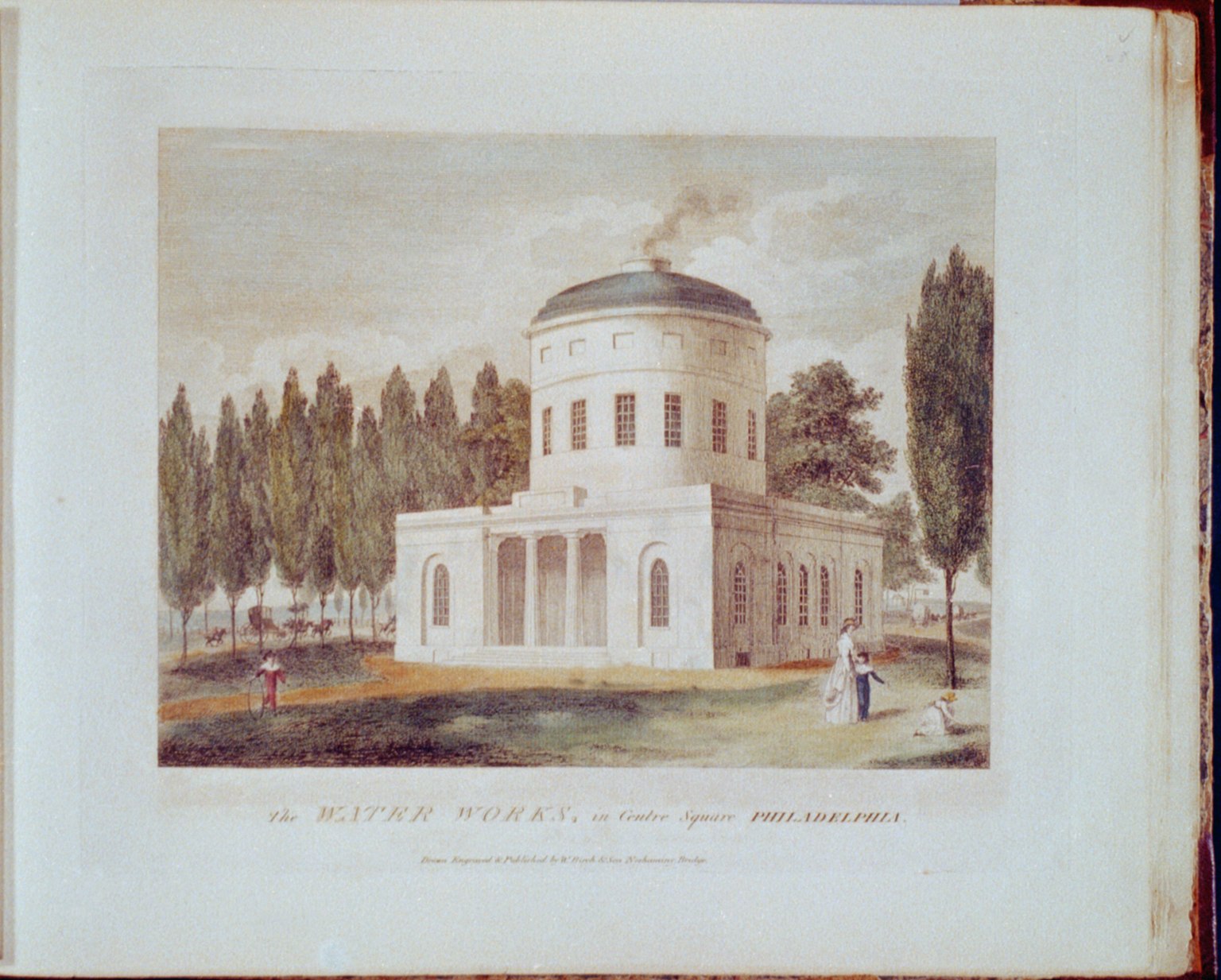
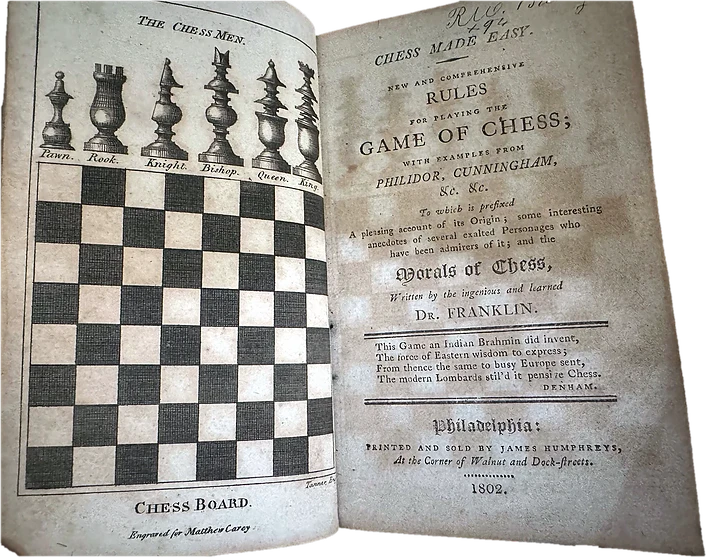
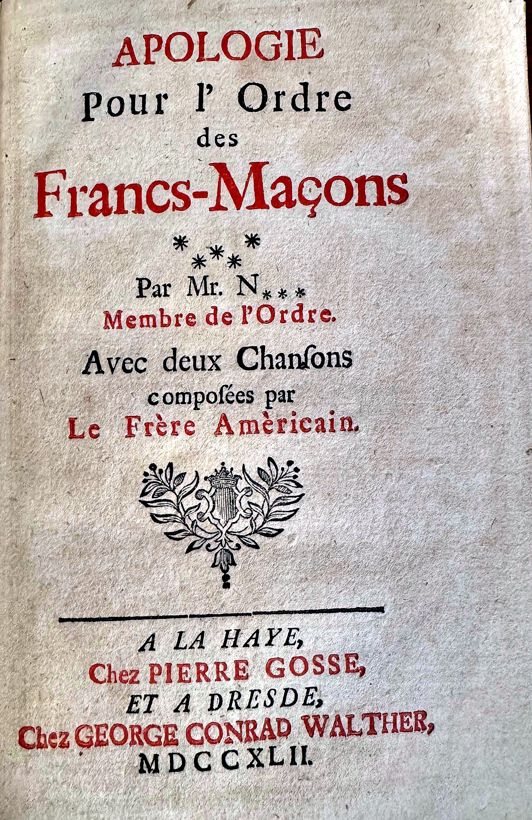
This room holds that manufacture. The French, German and Italian editions, the pirated lives, the collected works in their competing forms, and the nineteenth-century biographies through which a country decided what it wanted its founders to have been. It also holds a few of the things the editors left out: the chess, the freemasonry, the natural religion, and Philadelphia writing its own history while it still remembered him.
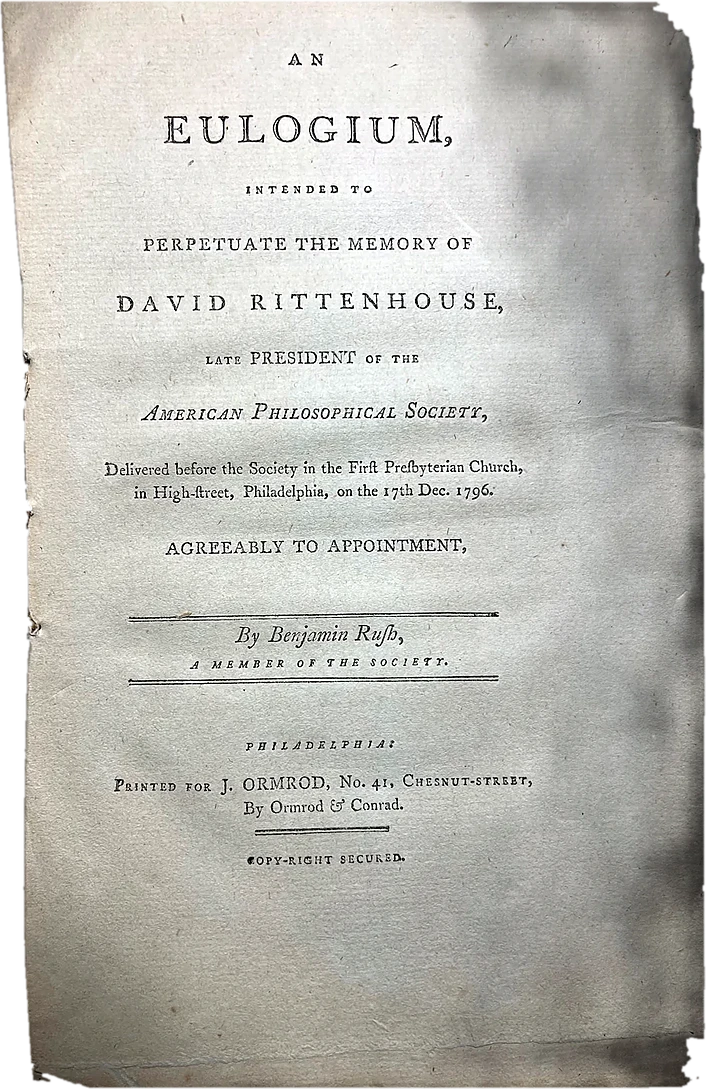
Rush outlived Franklin by twenty-three years and spent them fixing the reputations of the men he had known. He delivered the eulogy on Rittenhouse, who had succeeded Franklin at the Philosophical Society; he wrote his own account of the signers of the Declaration; and in 1812 he wrote to John Adams and to Thomas Jefferson until the two of them wrote to each other again. The correspondence that followed is the best record we have of what the founders thought they had done, and it exists because Rush would not let the quarrel stand.