In the autumn of 1727, the year after he came back from London, Franklin gathered eleven other young tradesmen into a club that met on Friday evenings at a tavern to discuss morals, politics and what they called natural philosophy, meaning science. These were common men: a scrivener who drew up legal papers for a living, two surveyors, a glazier, a shoemaker, a joiner, a cabinet-maker, a merchant's clerk and an ironmaster. He called it the Junto, from an old word for a small group that meets privately, and later wrote that it was the best school of philosophy and politics in the province. It ran, in one form or another, for nearly forty years.
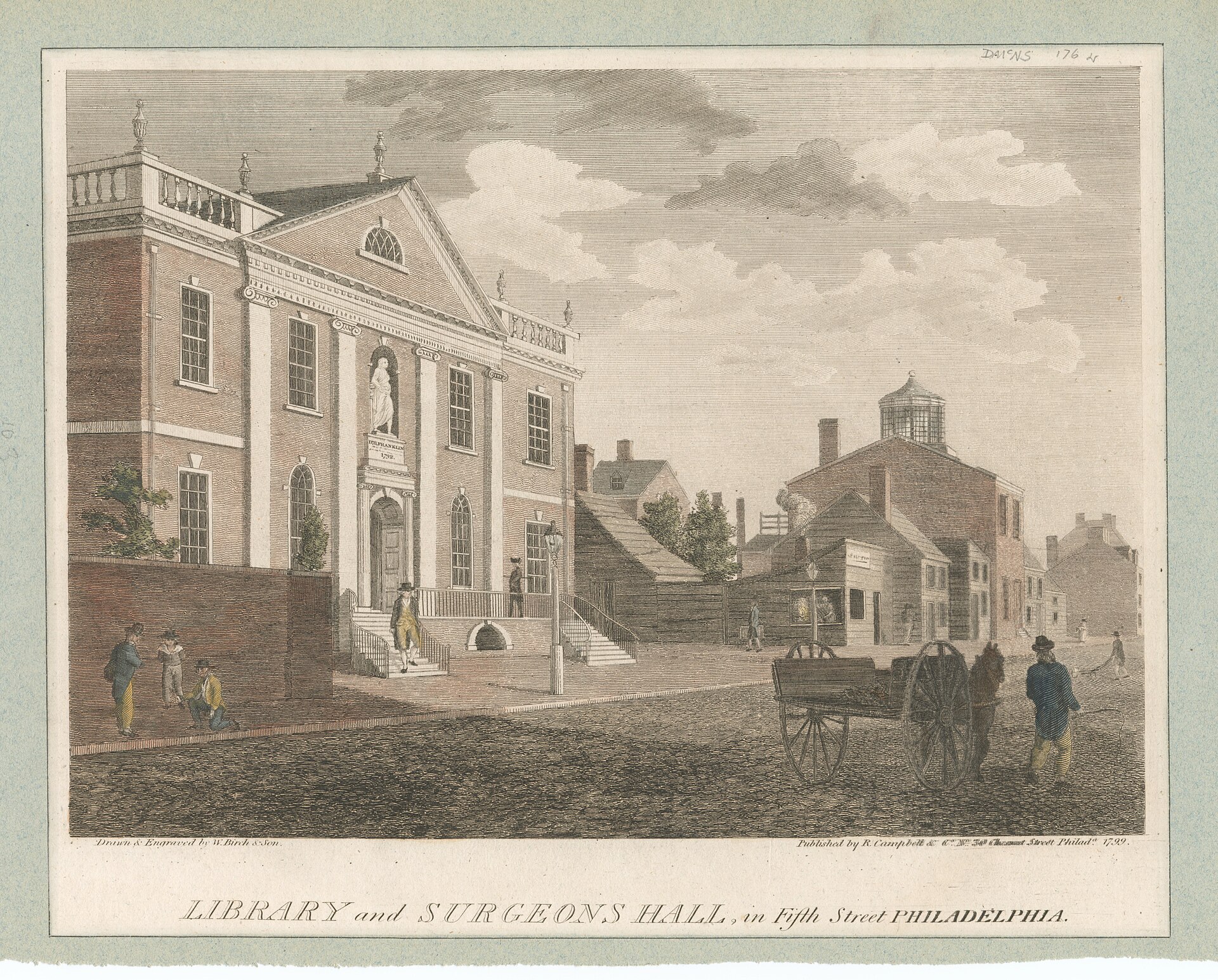
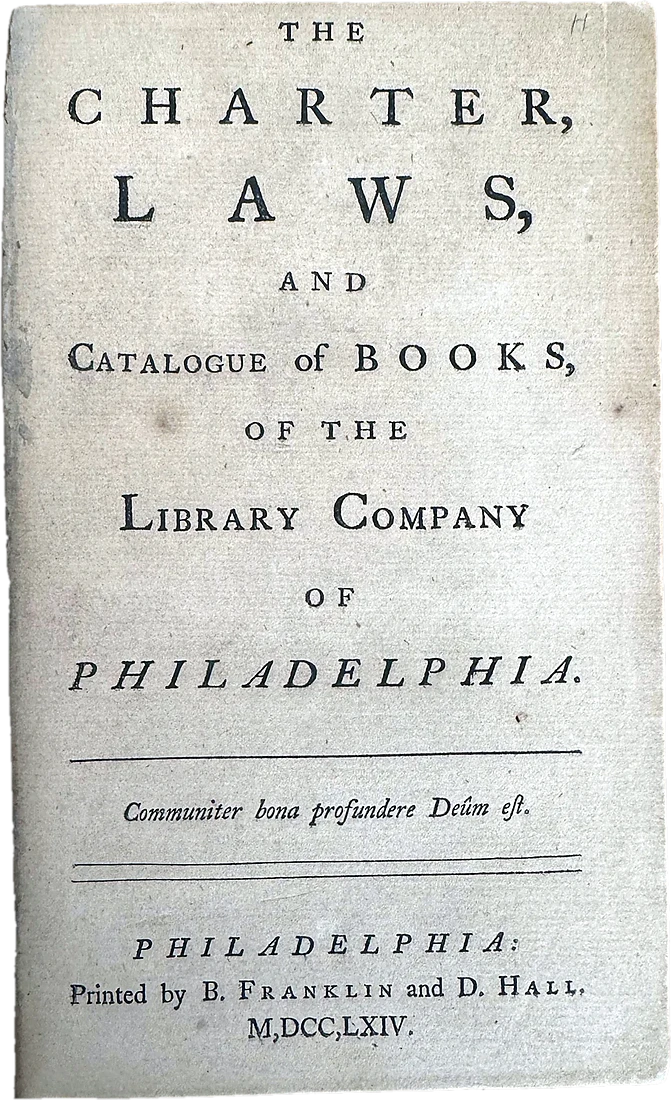
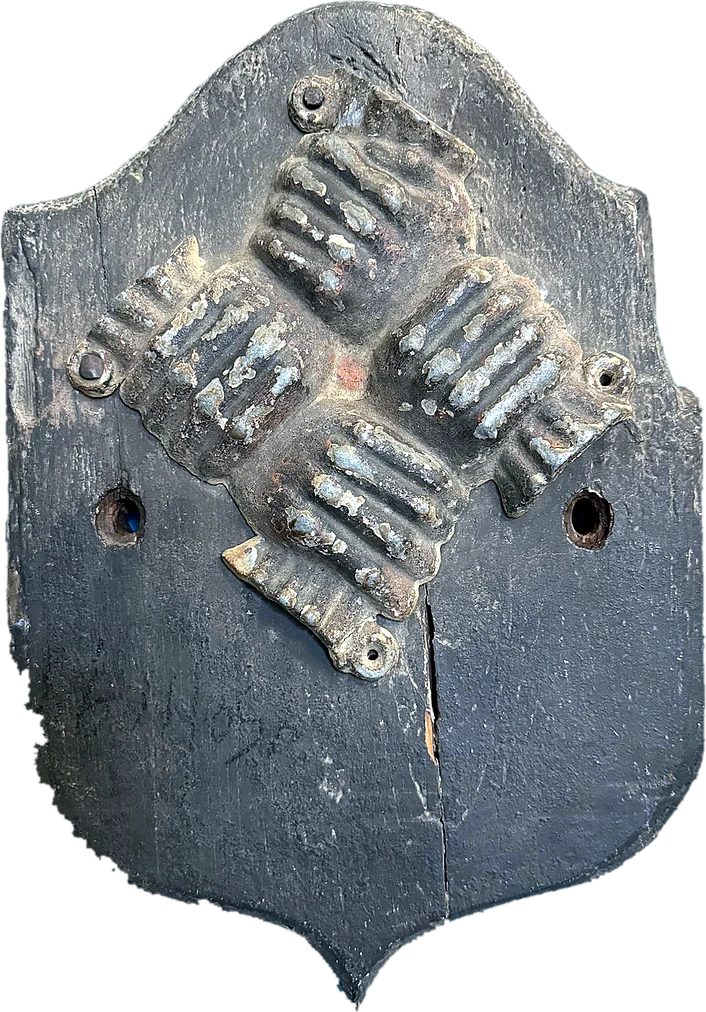
The rule of the club was that members helped each other, and the habit of pooling effort turned into a habit of founding things. In 1731 they started the Library Company of Philadelphia, the first subscription library in America: fifty men paid into a common fund, books were bought from London, and any subscriber could borrow them. The agreement that bound them, setting out what each man paid and how the books were to be kept and lent, was written out by Charles Brockden, the scrivener of the club. In 1736 came the Union Fire Company, a volunteer brigade whose members agreed to run to each other's houses with leather buckets. In 1749 they founded an academy, which became the University of Pennsylvania. In 1752 came the Philadelphia Contributionship, the first successful fire insurance company in the colonies, whose cast-lead badges were nailed to the front of every house it insured.
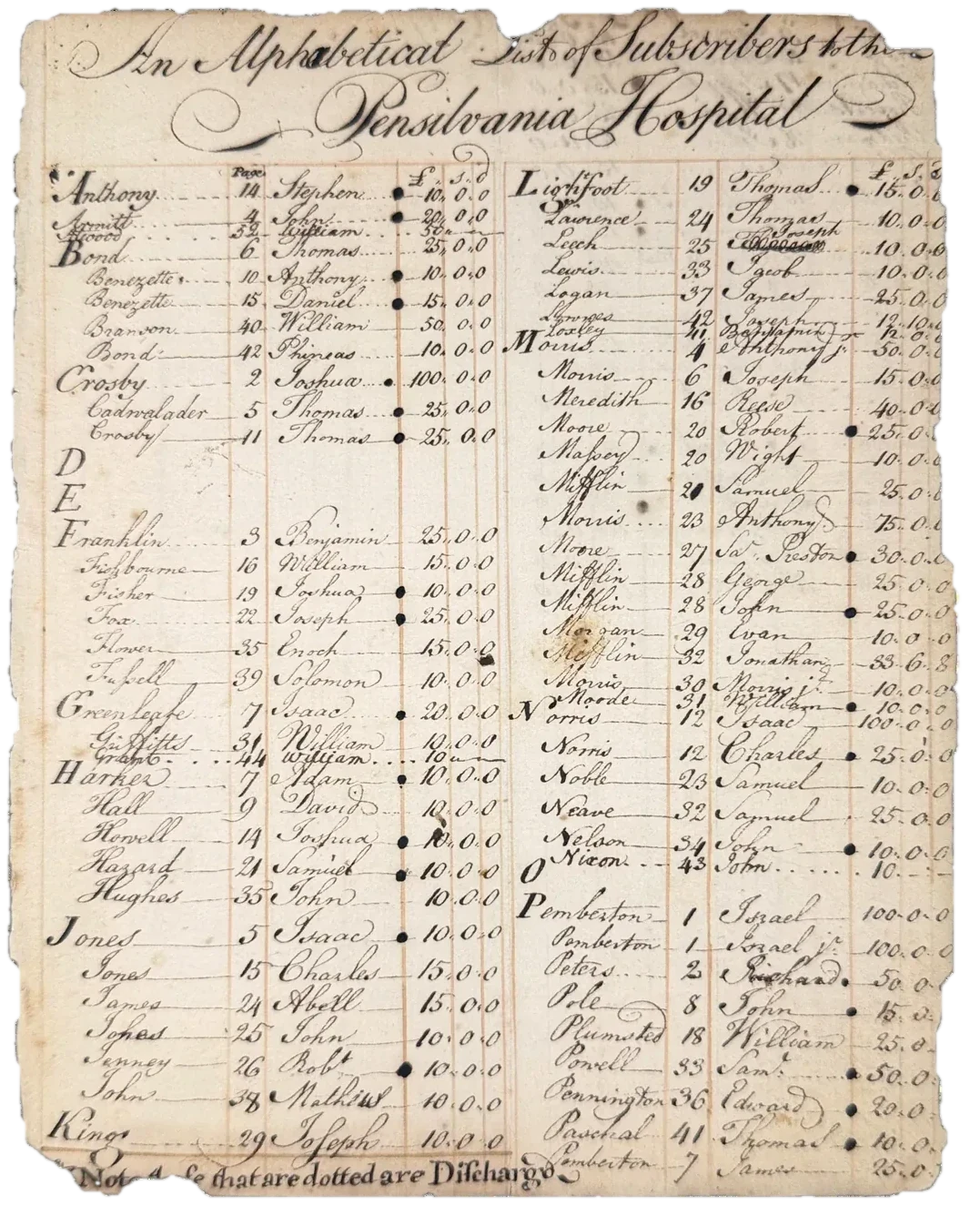
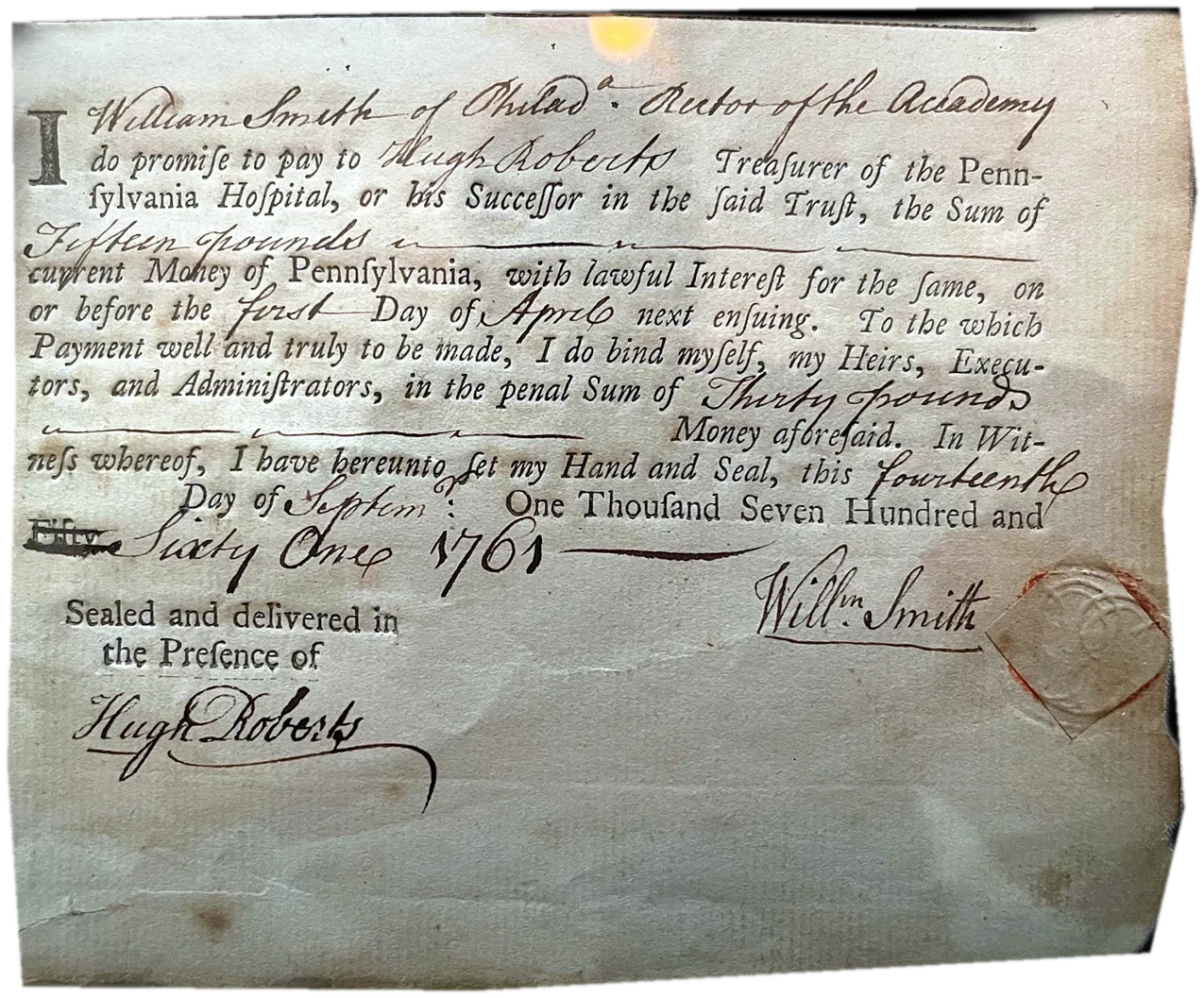
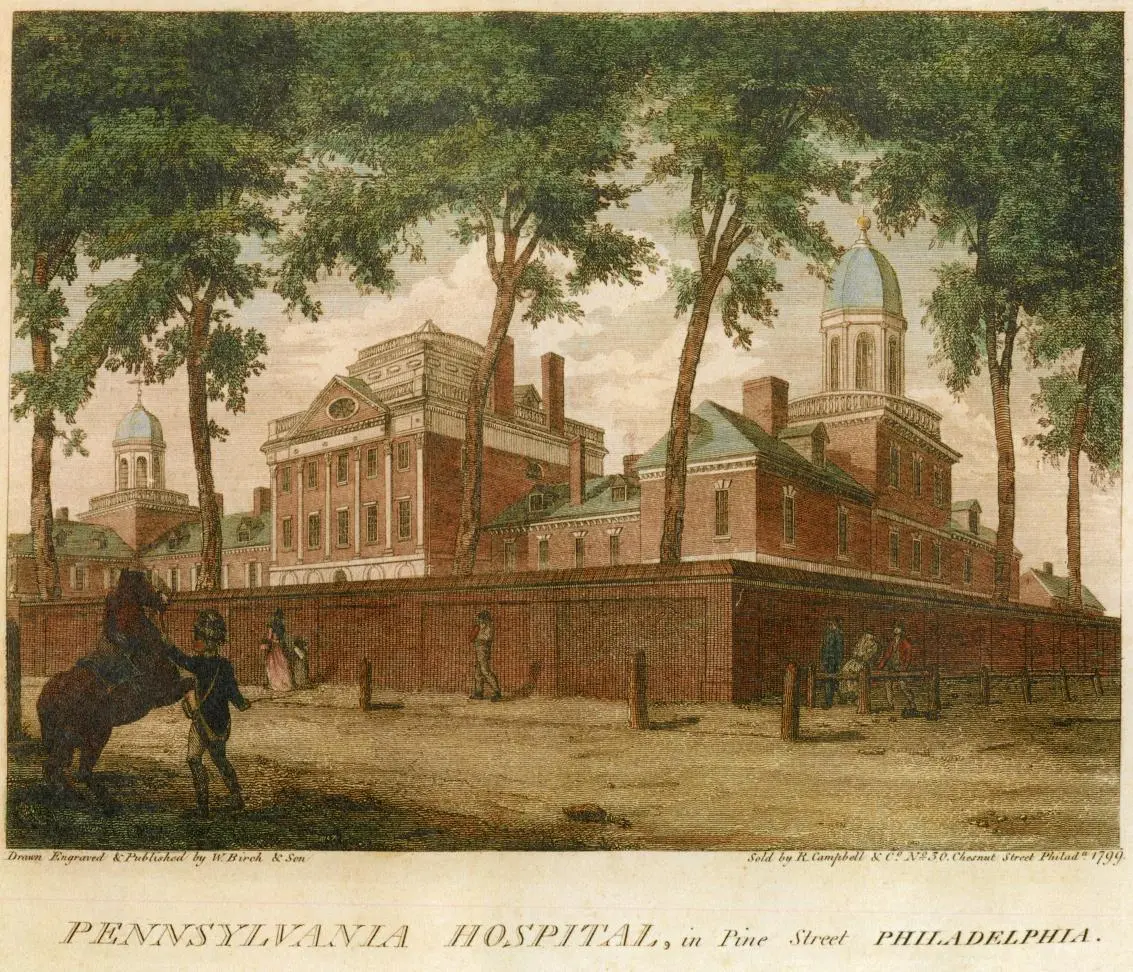
The largest of them was the Pennsylvania Hospital, founded in 1751 to treat the sick poor and the insane. The idea was Dr Thomas Bond's, but he could not raise the money until Franklin took it up. Franklin wrote the petition to the Assembly, printed the appeals, kept the minutes, and invented the device that carried it: he persuaded the Assembly to promise two thousand pounds on condition that private subscribers raised two thousand first, so that every shilling given by the public was matched from the treasury. It worked, and it is still how charitable fundraising is done.
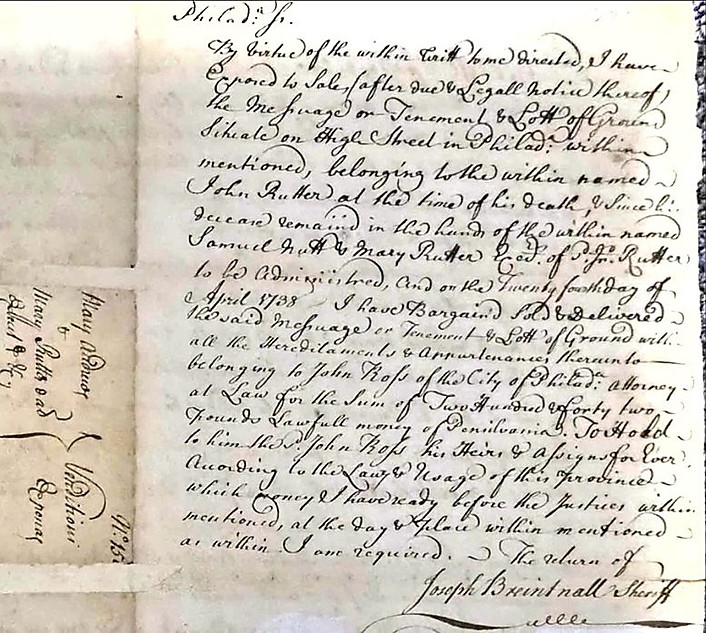
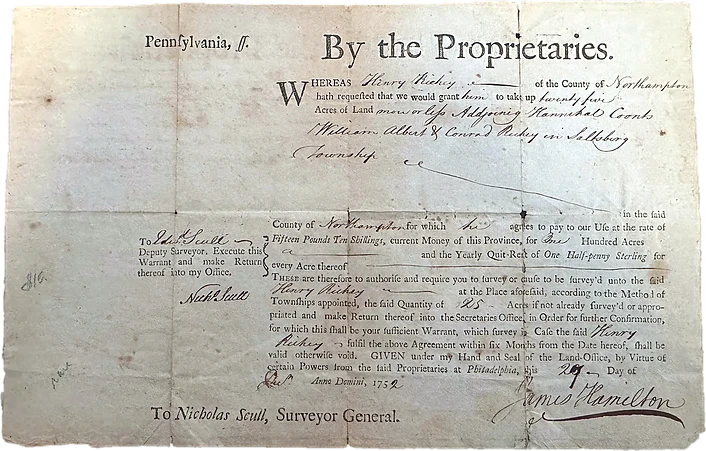
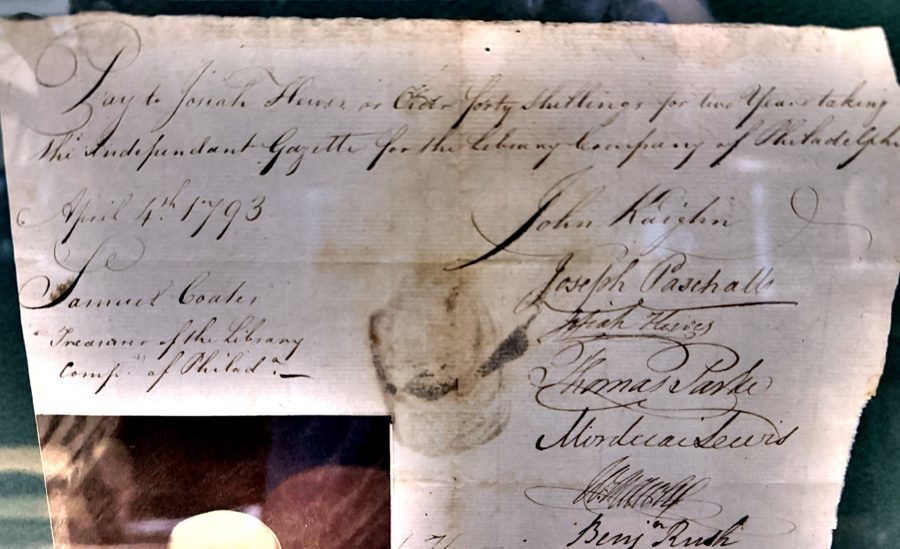
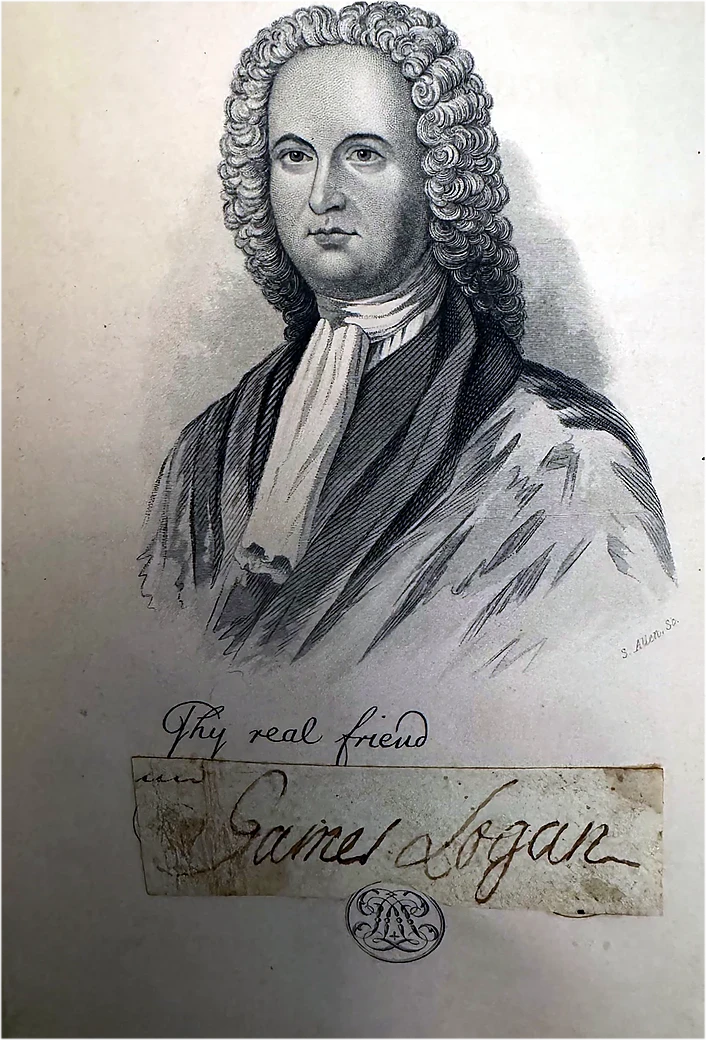
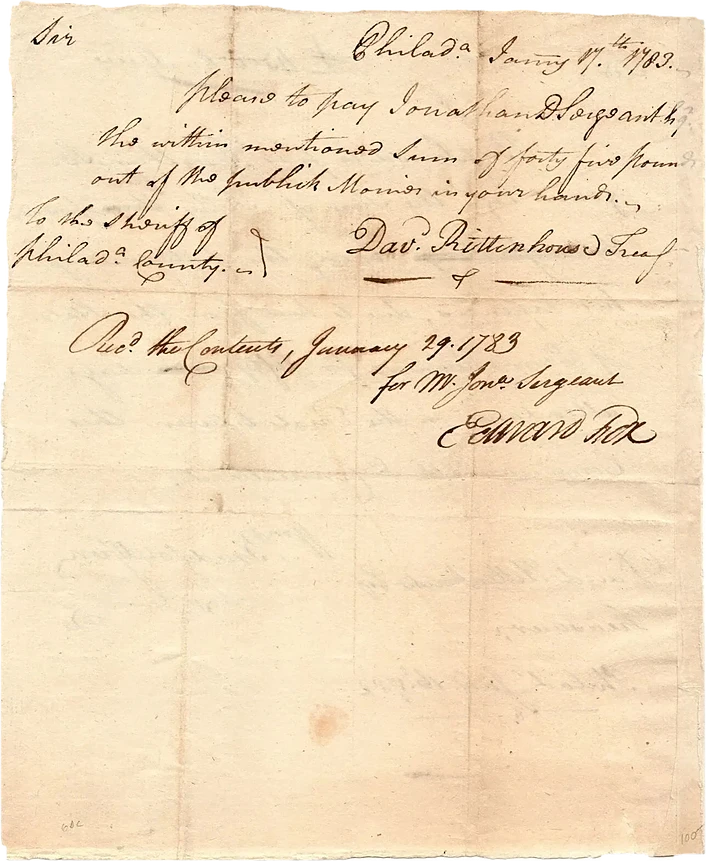
These men left few letters, because they were not letter-writing men. What they left is signatures, on deeds, on land warrants, on sheriff's returns, on the promissory notes by which subscribers pledged money to the hospital. This room is built out of that ordinary paper. Read the endorsements and the club appears, one public office at a time.
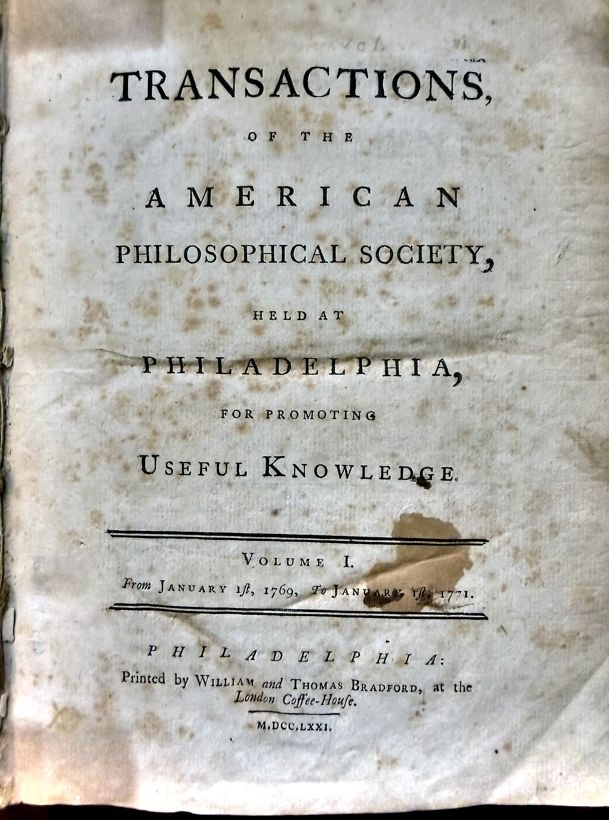
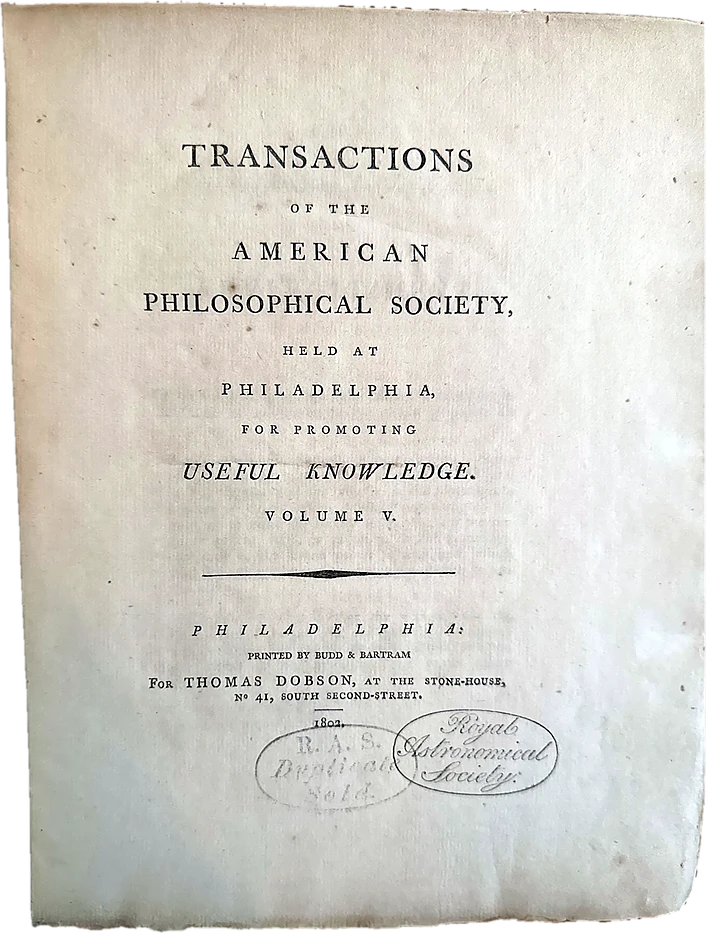
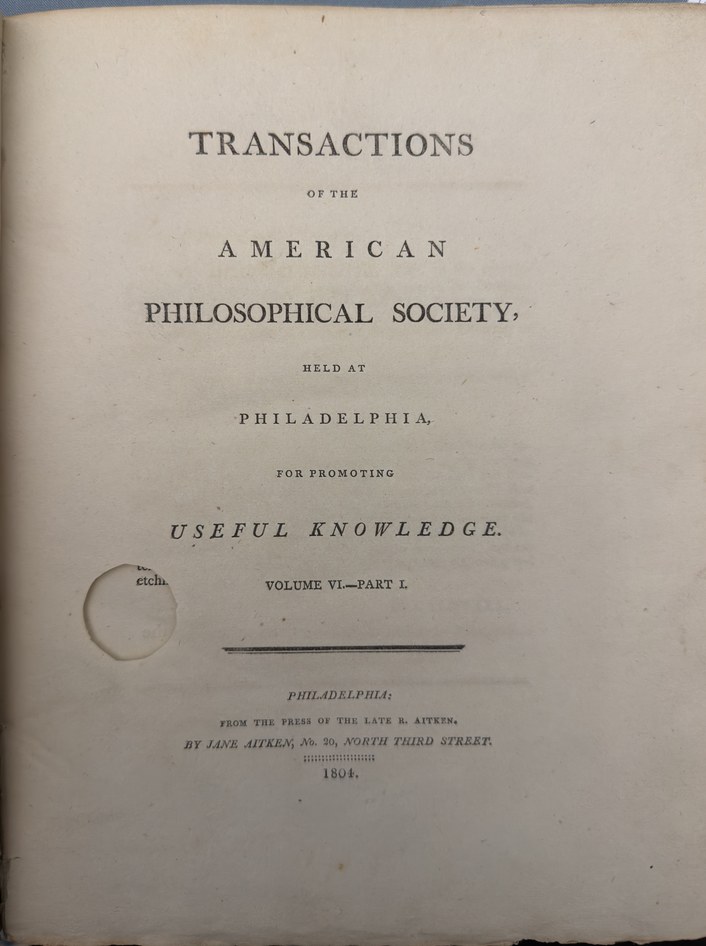
The two oldest of these institutions were made of the same people. The Junto of 1727 founded the Library Company in 1731, and out of the Library Company grew the Philosophical Society of 1743. These organizations flourished beside each other, with many of the same members, and they flourish still. What survives here is smaller and more particular: the paper the men passed between them, and the buildings, on paper, that outlived them.