Abolition
RUSH published his first antislavery pamphlet in 1773, when he was twenty-eight years old, at a moment when such arguments were genuinely dangerous to make in a city whose commerce depended substantially on the Atlantic slave trade. His "Address to the Inhabitants of the British Settlements in America upon Slave-Keeping" was one of the first explicitly abolitionist pamphlets published in America — not merely an argument for the amelioration of slavery's conditions, but a demand for its abolition on the grounds of natural right.
The argument was both moral and medical. Rush contended that slavery violated the natural rights principles the colonists were beginning to articulate in their dispute with Britain — a point that the colonial leadership was conspicuously reluctant to apply to enslaved people. But he also argued, as a physician, that the experience of enslavement produced specific physical and psychological damage: that the degradation of enslaved people was not a natural condition but an inflicted one, and that it damaged enslavers as well as the enslaved. The medical argument was characteristically Rush's: the body as a political object, the physician's knowledge as a political resource.
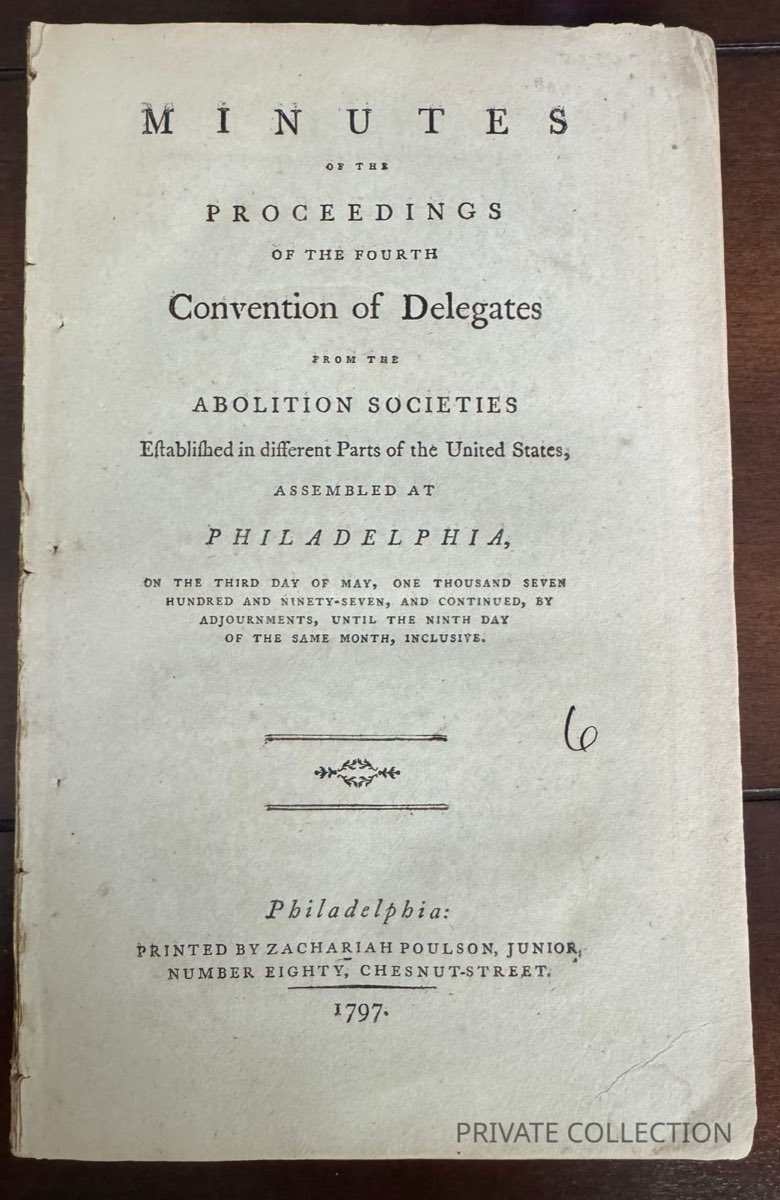
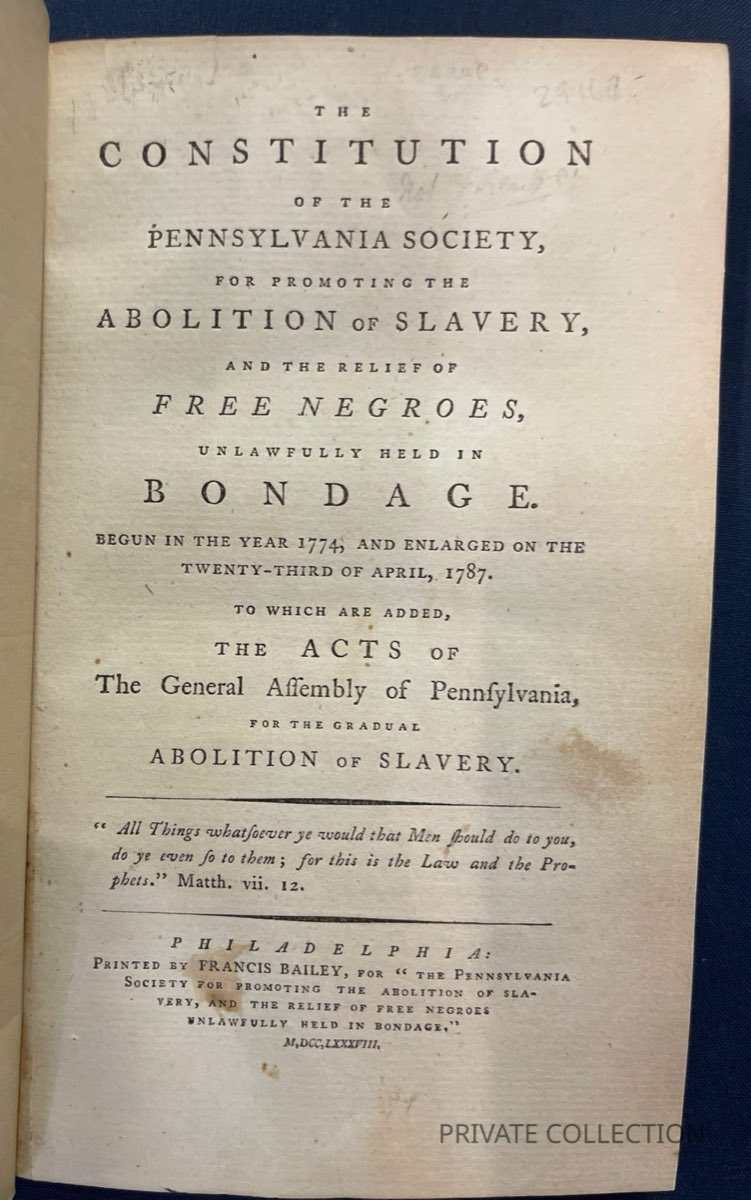
Franklin joined the Pennsylvania Abolition Society in 1787 and became its president the following year, lending his enormous prestige to a cause that was becoming increasingly contentious as the new nation's constitutional compromises with slavery became clear. Rush served as secretary. They worked together on the Society's legal advocacy, educational programs for free Black Philadelphians, and correspondence with antislavery activists across the country. Franklin submitted the last great petition of his long life to the United States Congress in February 1790, signed as president of the Pennsylvania Abolition Society, calling for the abolition of the slave trade. He died two months later.