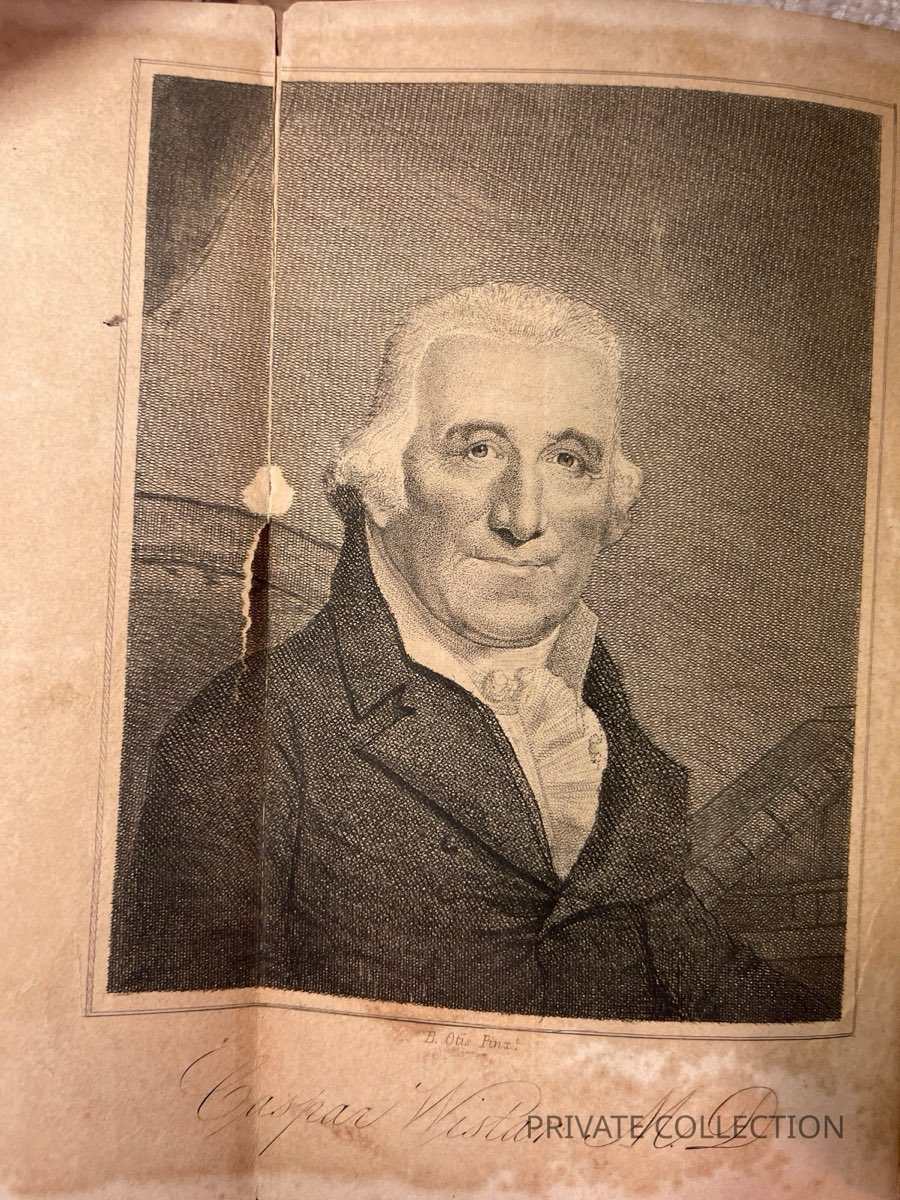
Philadelphia's Medical World
RUSH was the most influential medical teacher in American history. This is not a claim that requires much qualification. From his appointment to the College of Philadelphia's faculty in 1769 until his death in 1813, he trained more than three thousand students — virtually every physician practicing in the early republic had either passed through his lectures or had been trained by someone who did. The physicians who settled the Ohio Valley, the Deep South, and the frontier territories carried Rush's methods, Rush's theories, and Rush's moral commitments into every corner of the new nation.
Rush lectured on everything. The institutes and practice of medicine, the theory and treatment of fever, the diseases of the mind, the influence of climate and social conditions on health, the proper method of studying the science, the moral obligations of the physician as a public servant. His lectures were famous for their confidence, their range, and their opinionated energy. He did not teach medical facts; he taught a way of thinking about illness, society, and the physician's responsibilities that his students found either compelling or infuriating, and sometimes both.
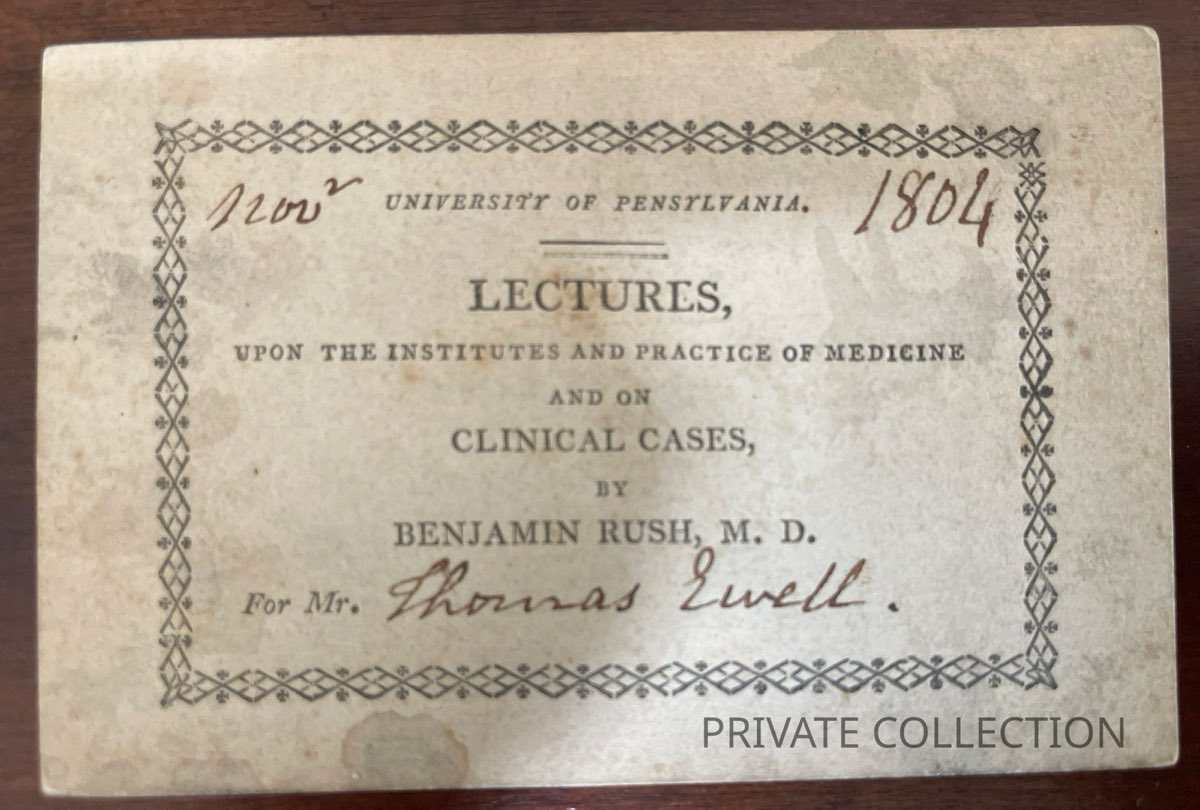
The apparatus of Rush's teaching is documented throughout this collection: the lecture tickets that were the currency of access; the signed diplomas that certified transmission; the lecture texts, published and annotated; the textbooks Rush adopted and the students who pushed back against them. Together they constitute a documentary record of what it meant to receive a medical education in Rush's Philadelphia — the most medically sophisticated city in early America.
26 objects in Philadelphia's Medical World
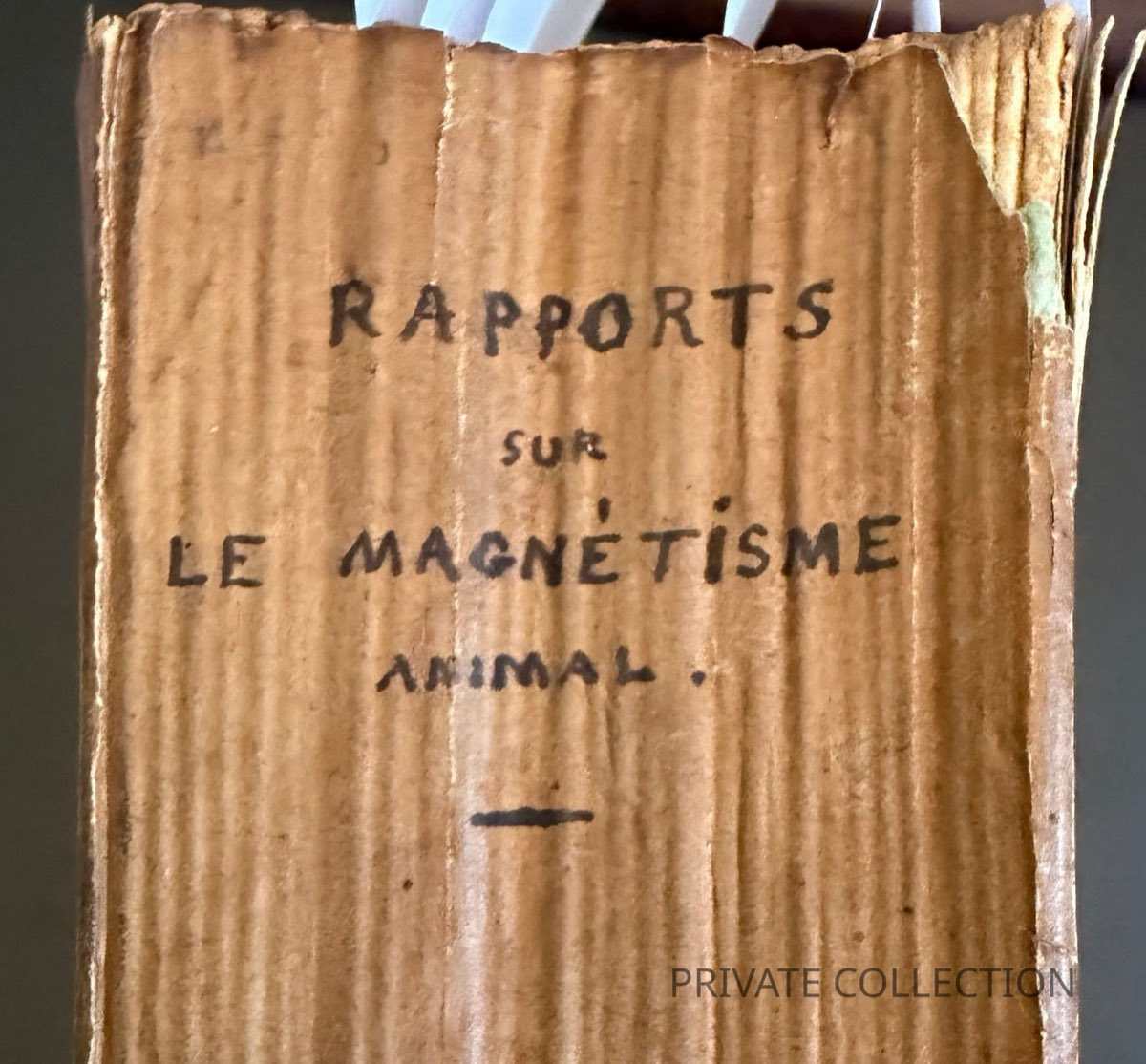
(SAMMELBAND.) (MESMERISM)
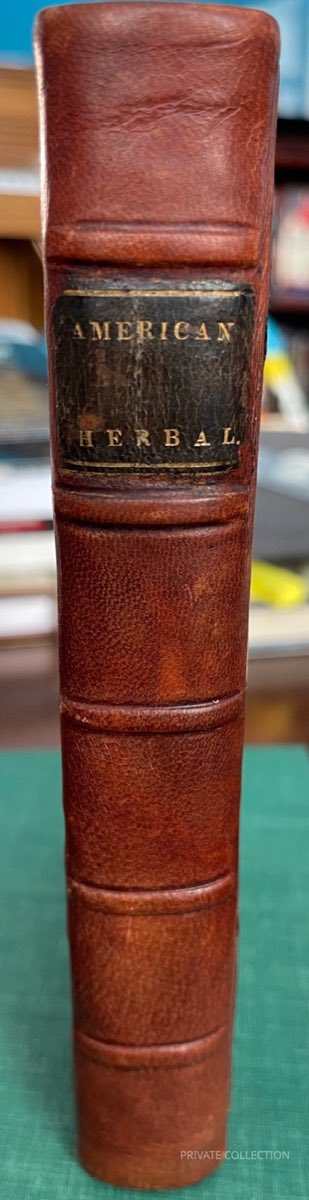
The American Herbal, or Material Medica
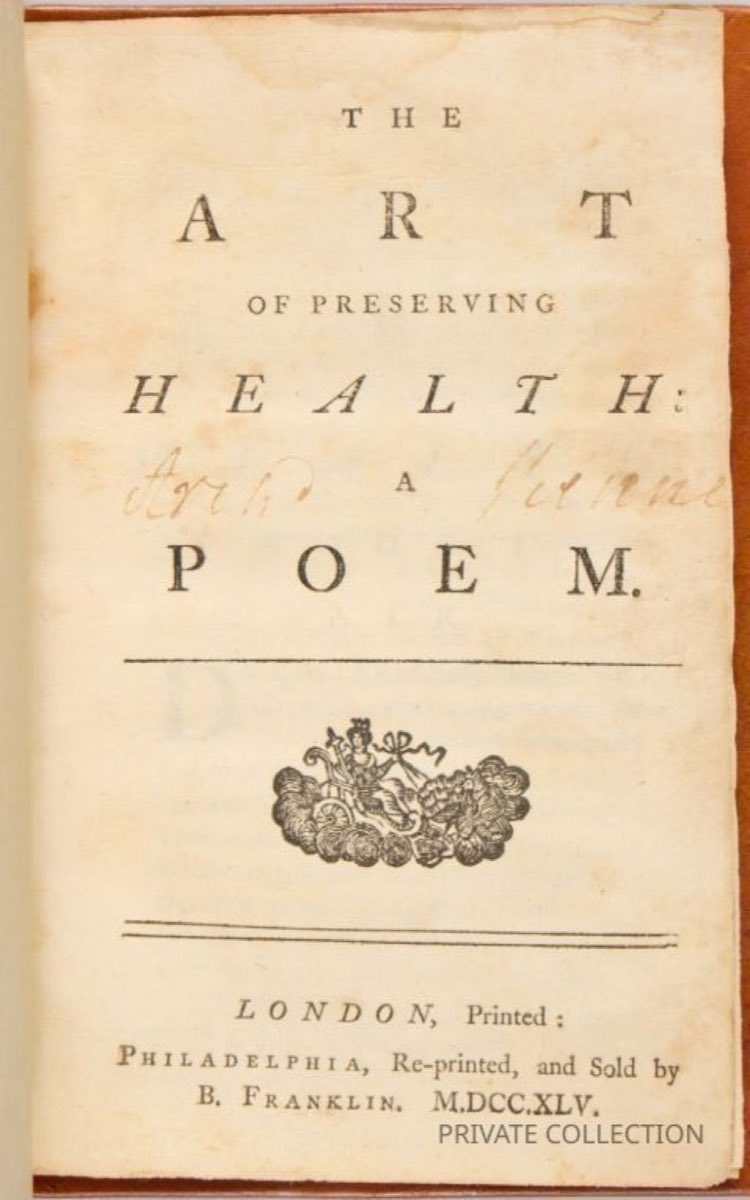
[John Armstrong]The Art of Preserving Health: A Poem
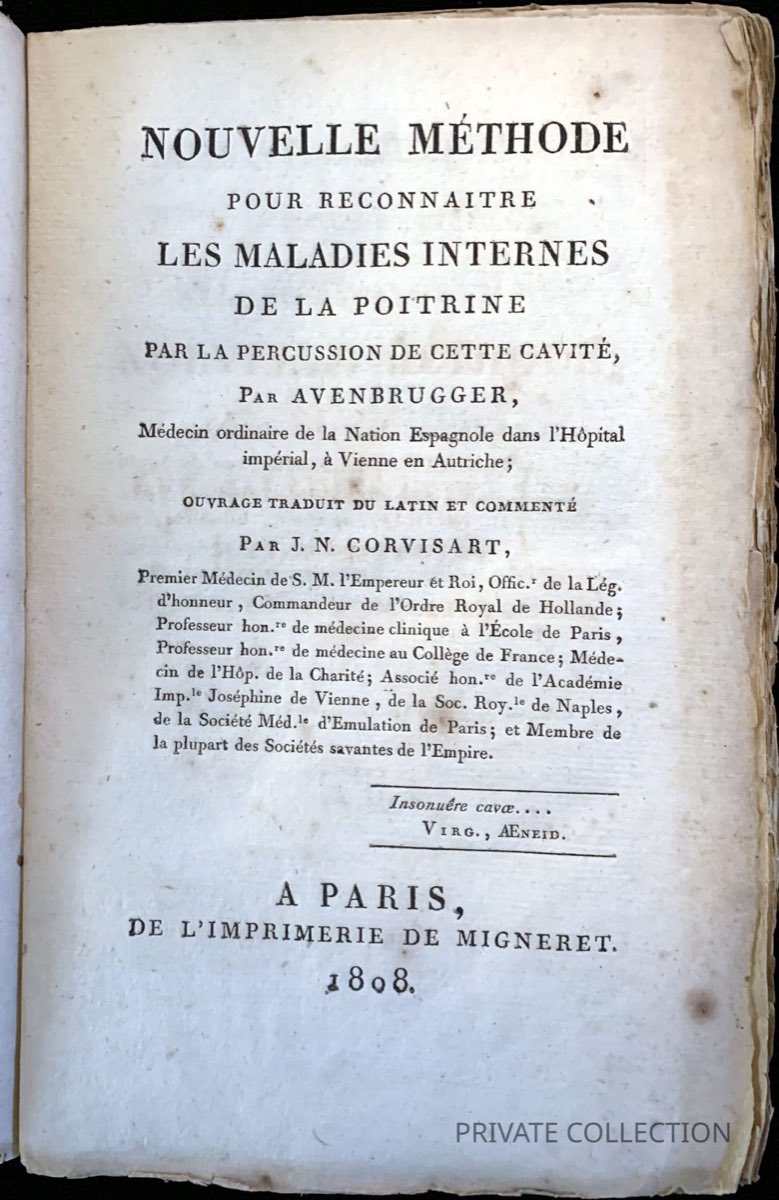
Auenbrugger / Corvisart - Nouvelle Methode pour reconnaitre les maladies internes de la Poitrine
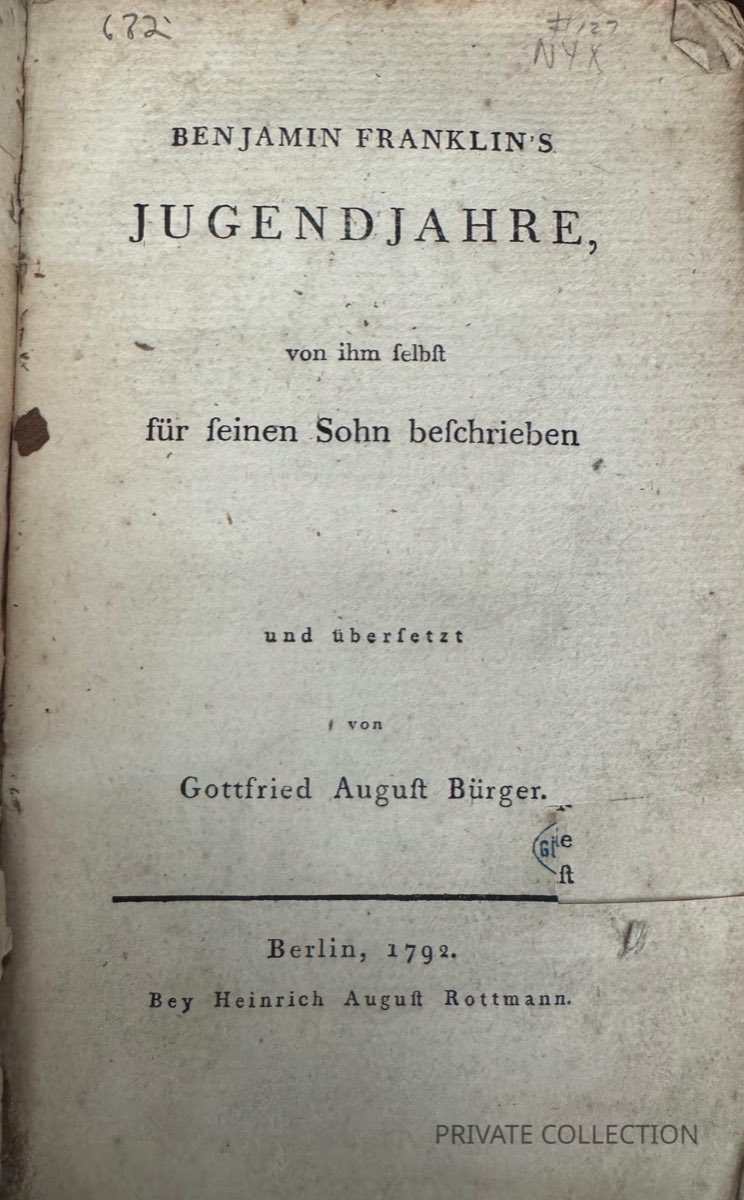
Benjamin Franklin Life, First German edition
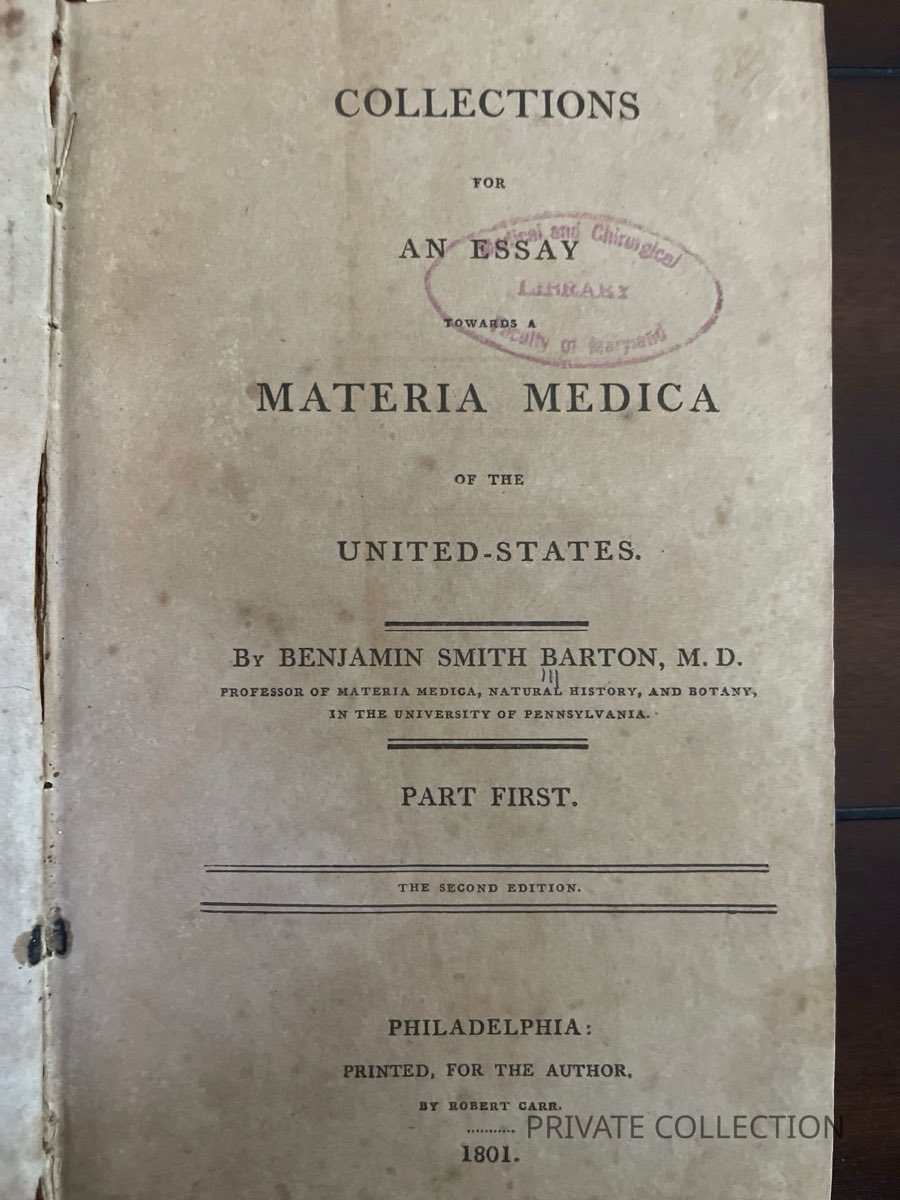
Collections for an Essay Towards a Materia Medica of the United States
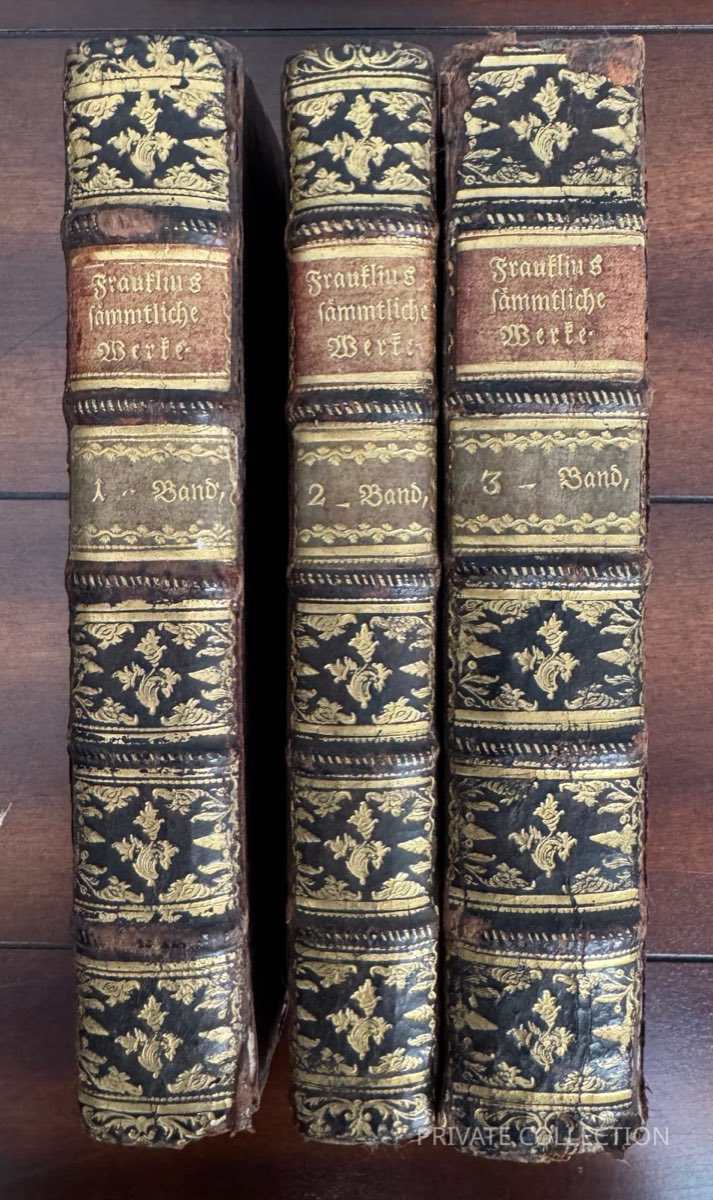
Des Herrn D. Benjamin Franklin's... Santliche Werke
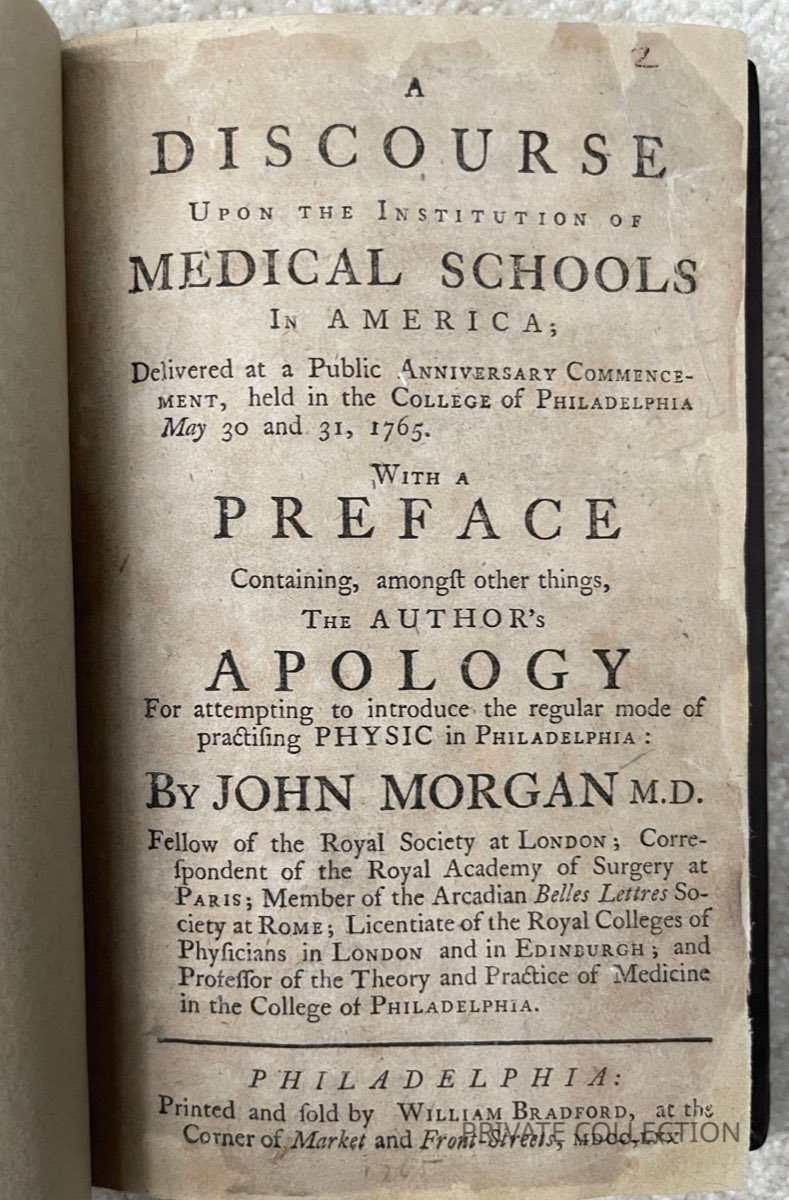
A discourse upon the institution of medical schools in America; delivered at a public anniversary commencement, held in the College of Philadelphia May 30 and 31, 1765
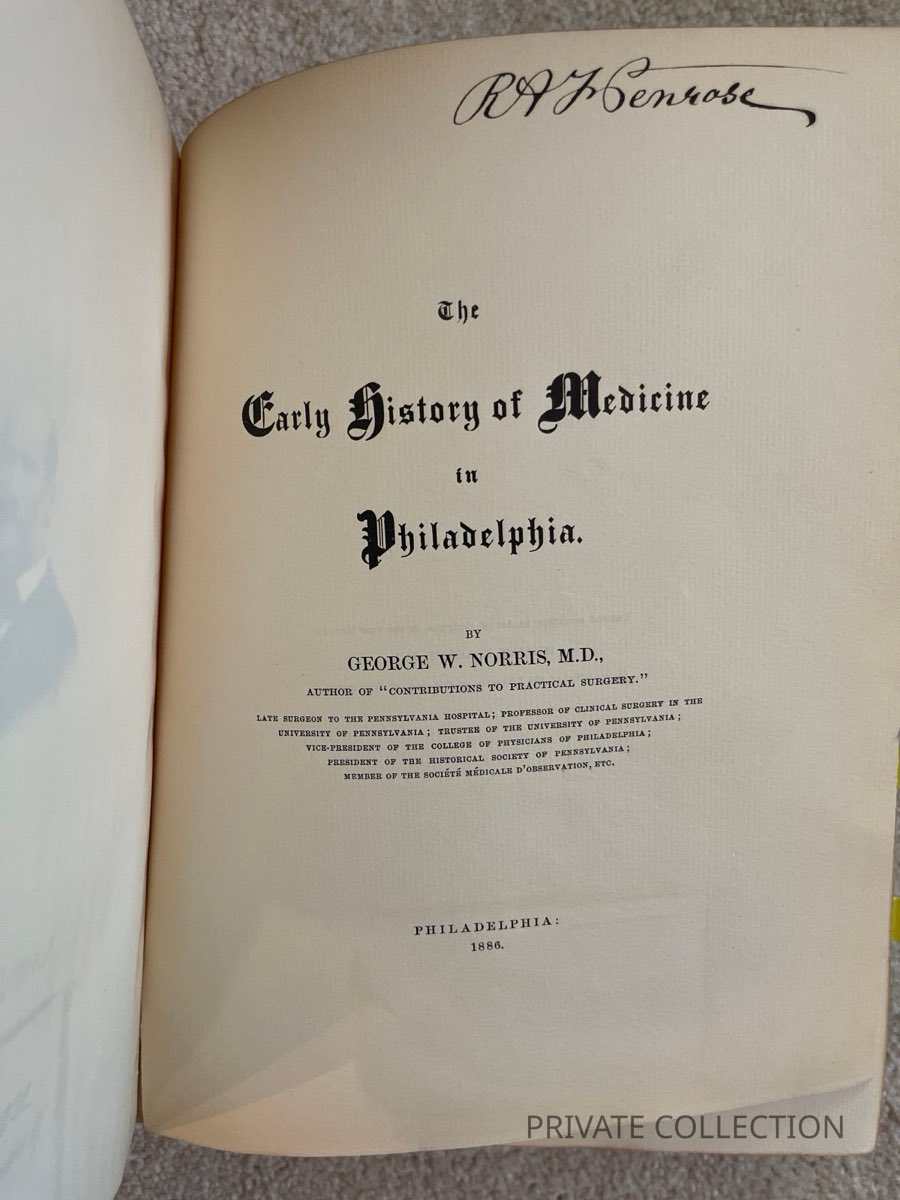
The Early History of Medicine in Philadelphia
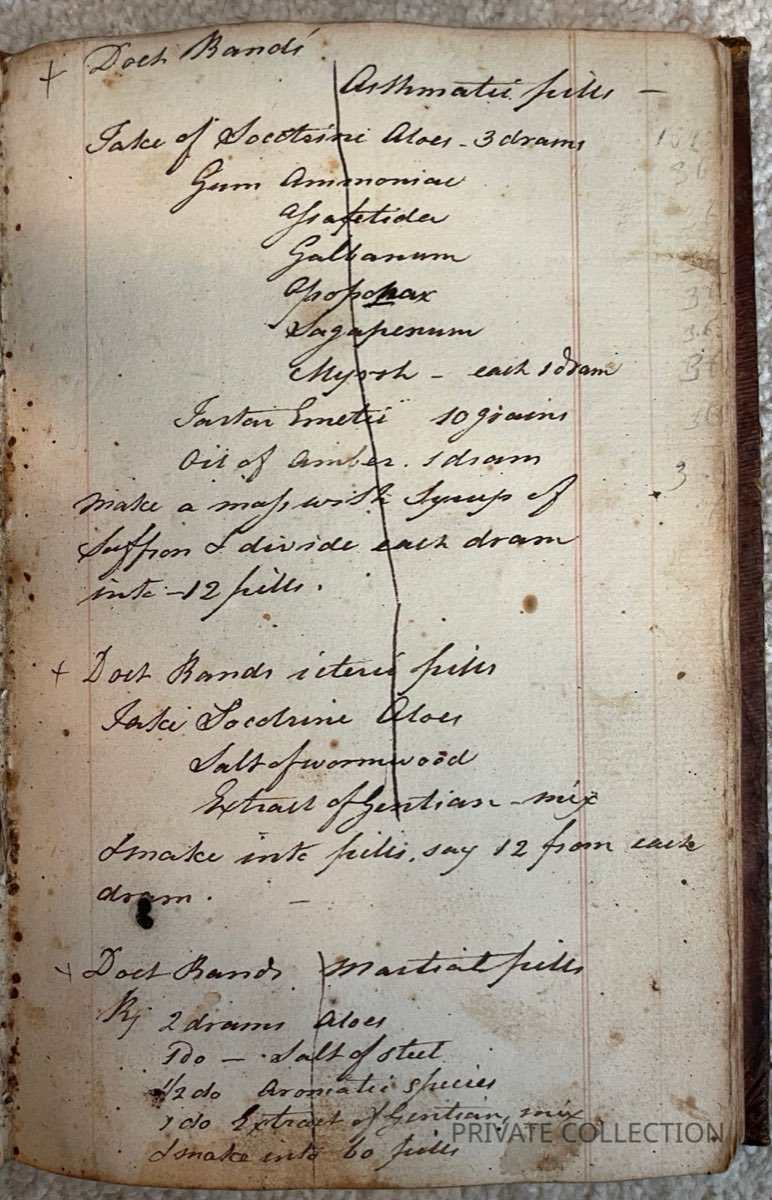
Ephraim Eliot
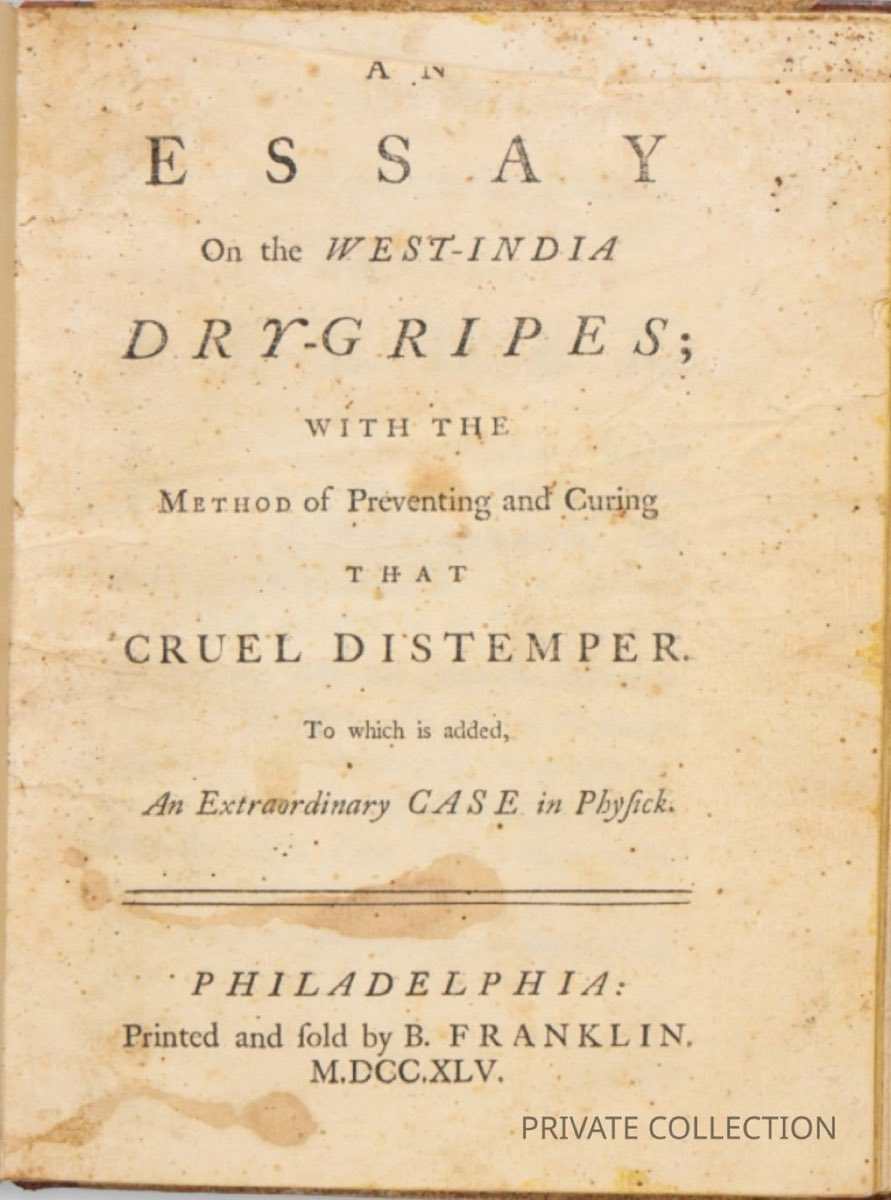
[Cadwallader, Thomas] An Essay on the West-India Dry Gripes; with the Method of Preventing and Curing that Cruel Distemper. To which is added An Extraordinary Case in Physick
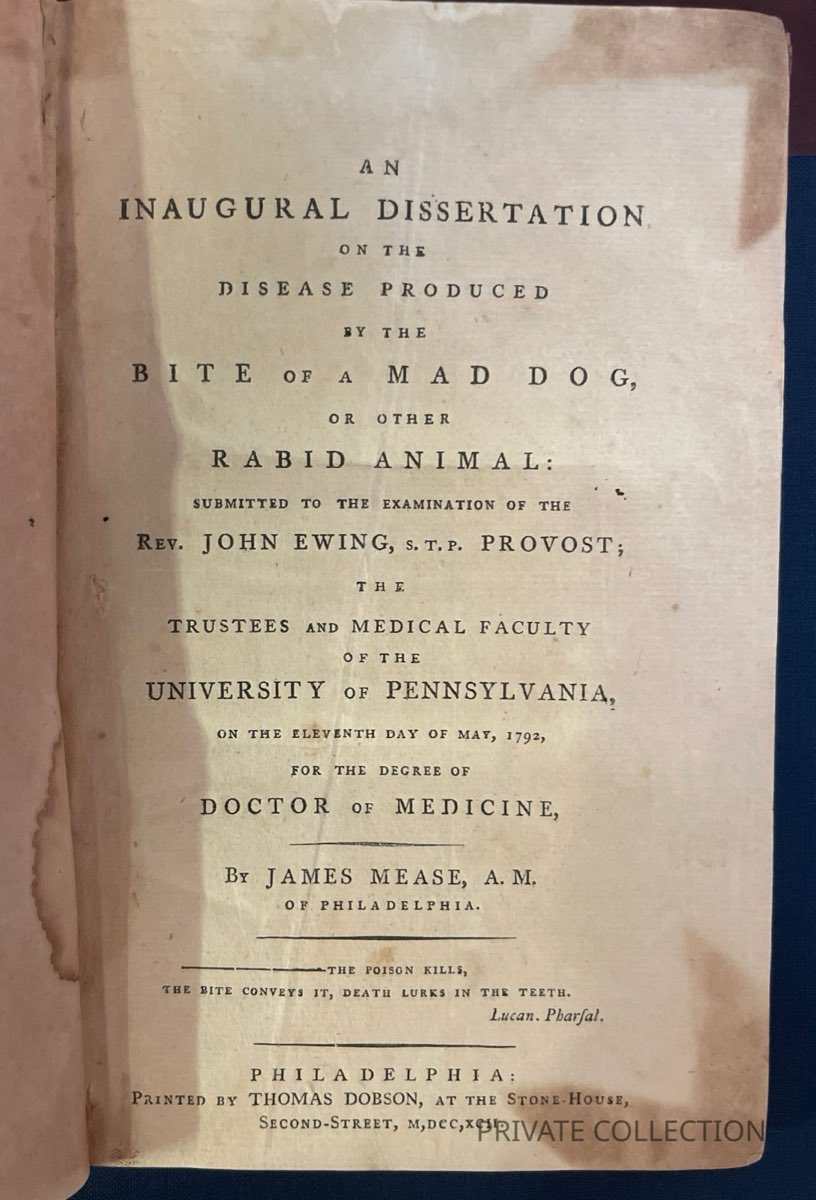
An inaugural dissertation on the disease produced by the bite of a mad dog
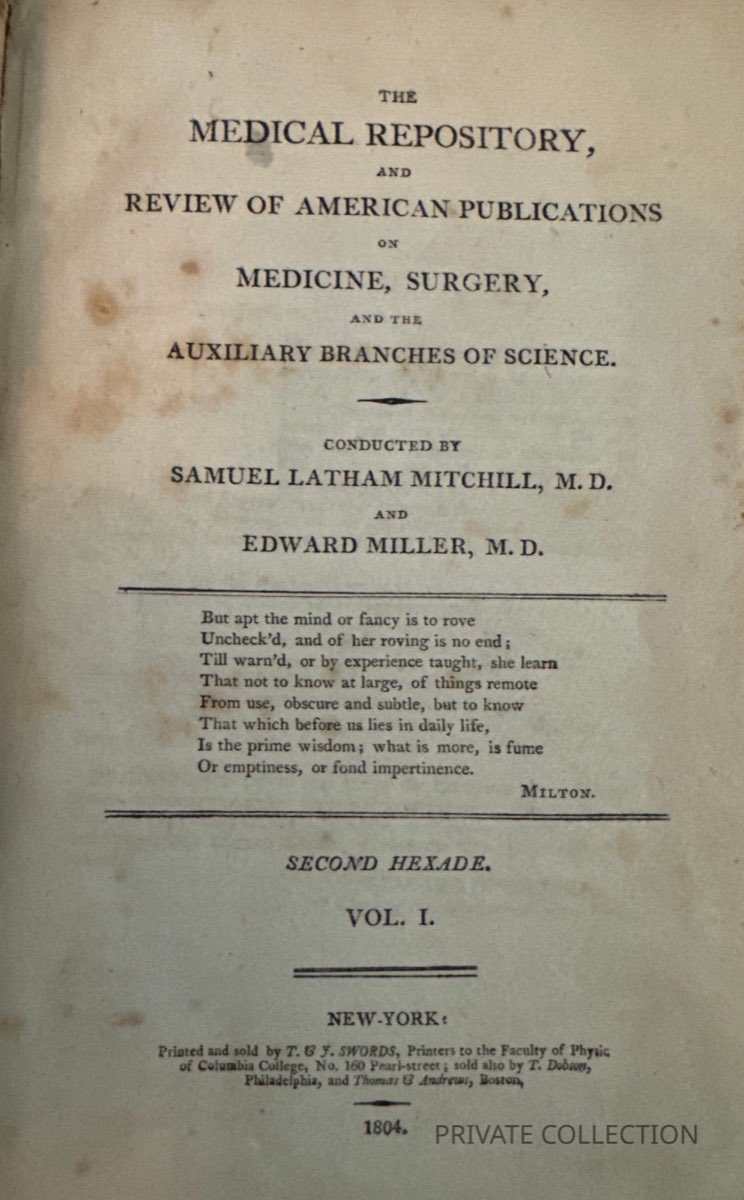
The Medical Respository
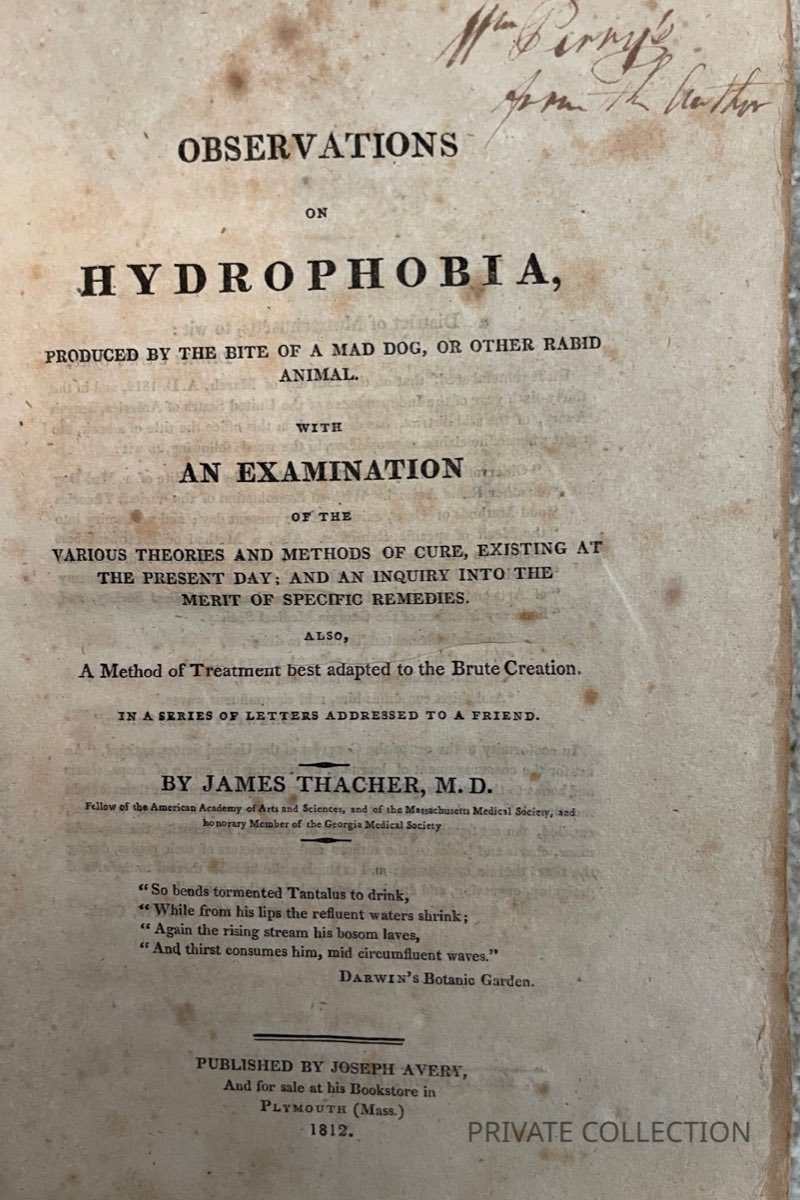
Observations on Hydrophobia, Produced by the Bite of a Mad Dog, or OtherRabid Animal
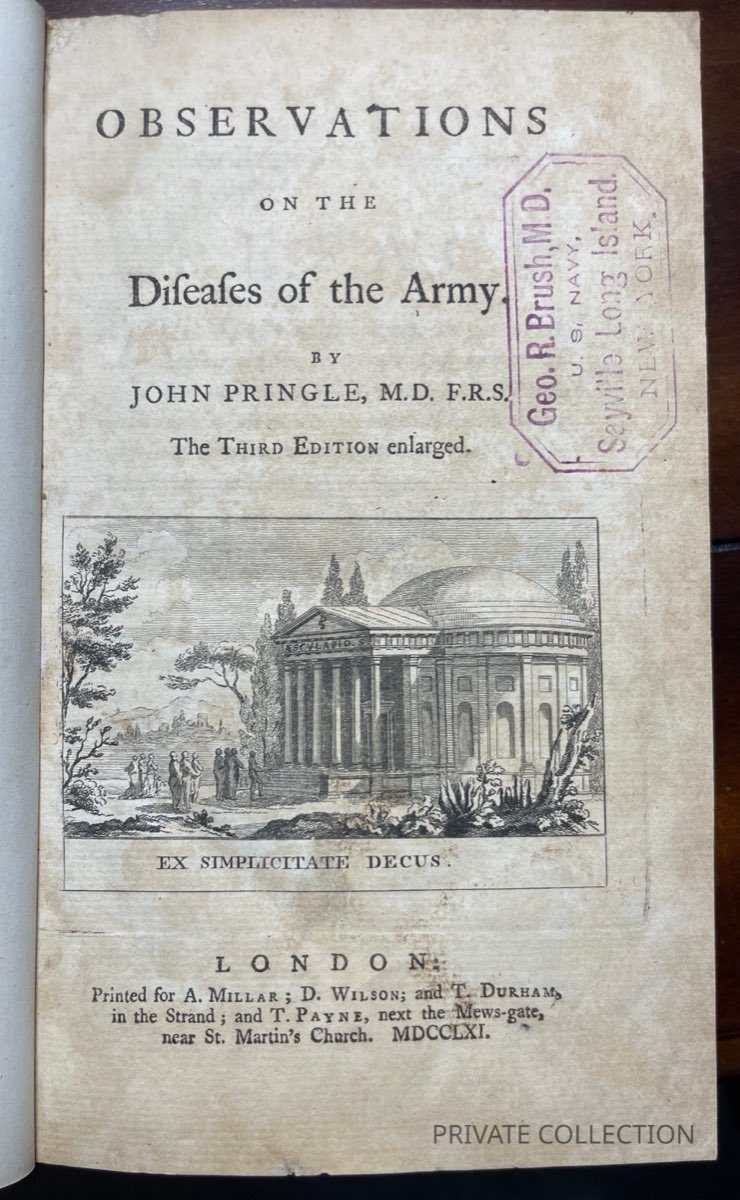
Observations on the Diseases of the Army
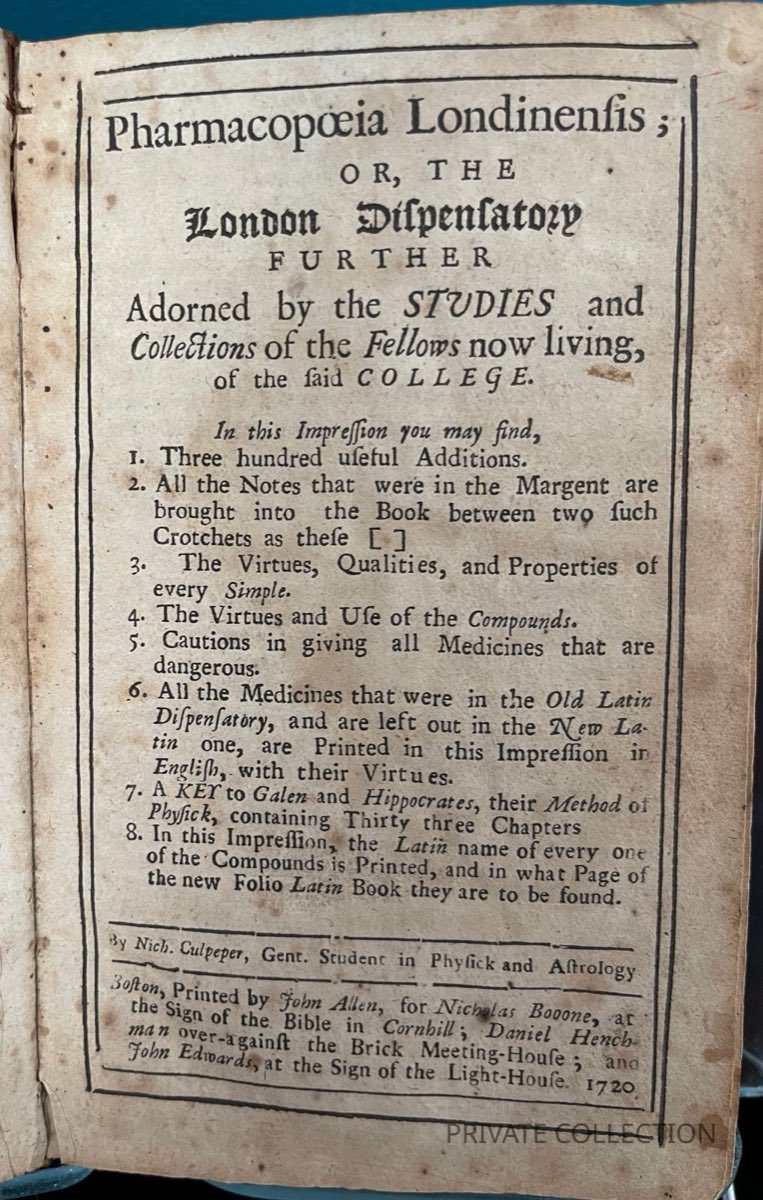
Pharmacopoeia Londinensis; or, The London Dispensatory
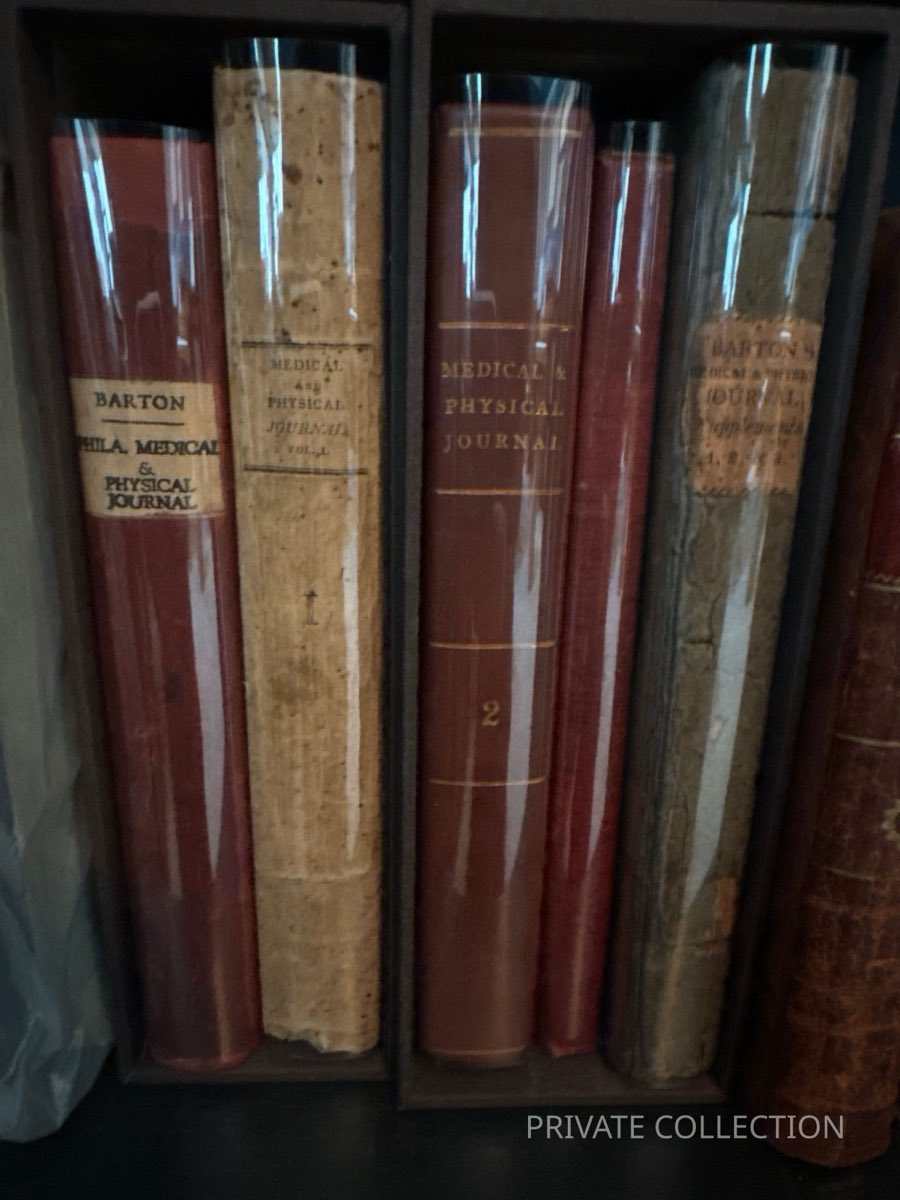
The Philadelphia Medical and Physical Journal. Collected and Arranged by Benjamin Smith Barton, M.D
Practical Observations in Surgery, illustrated with cases and plates
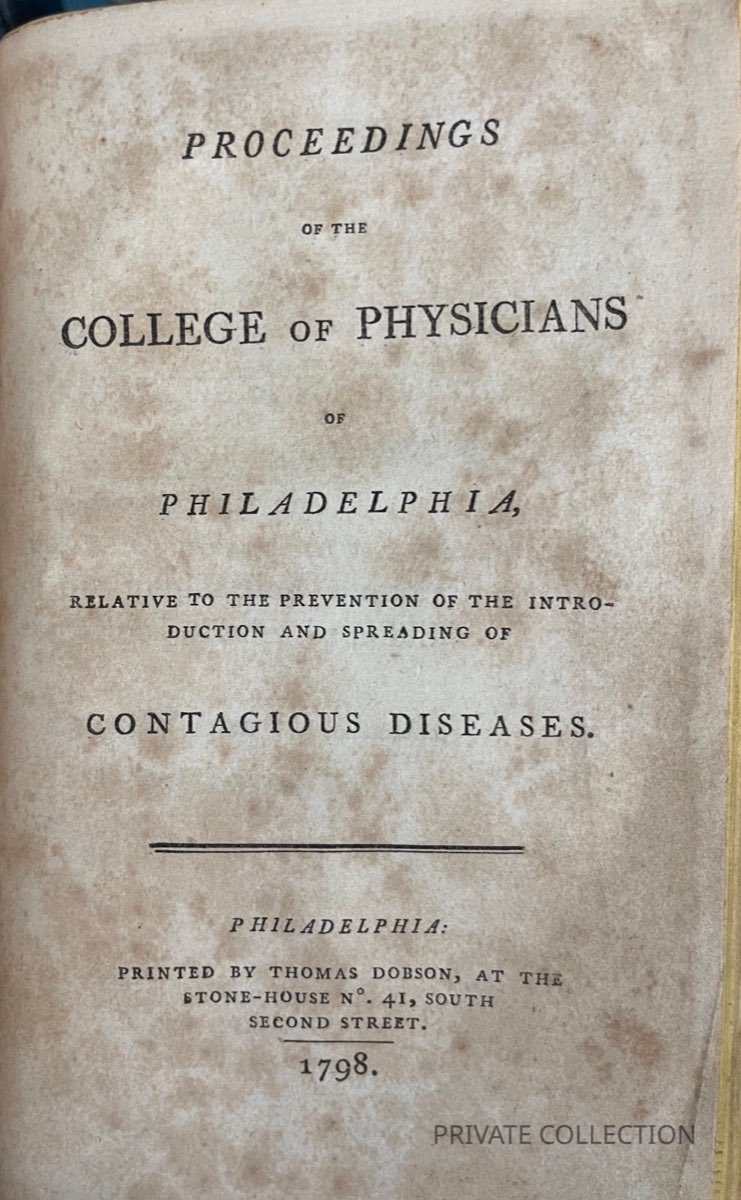
Proceedings of the College of Physicians of Philadelphia,
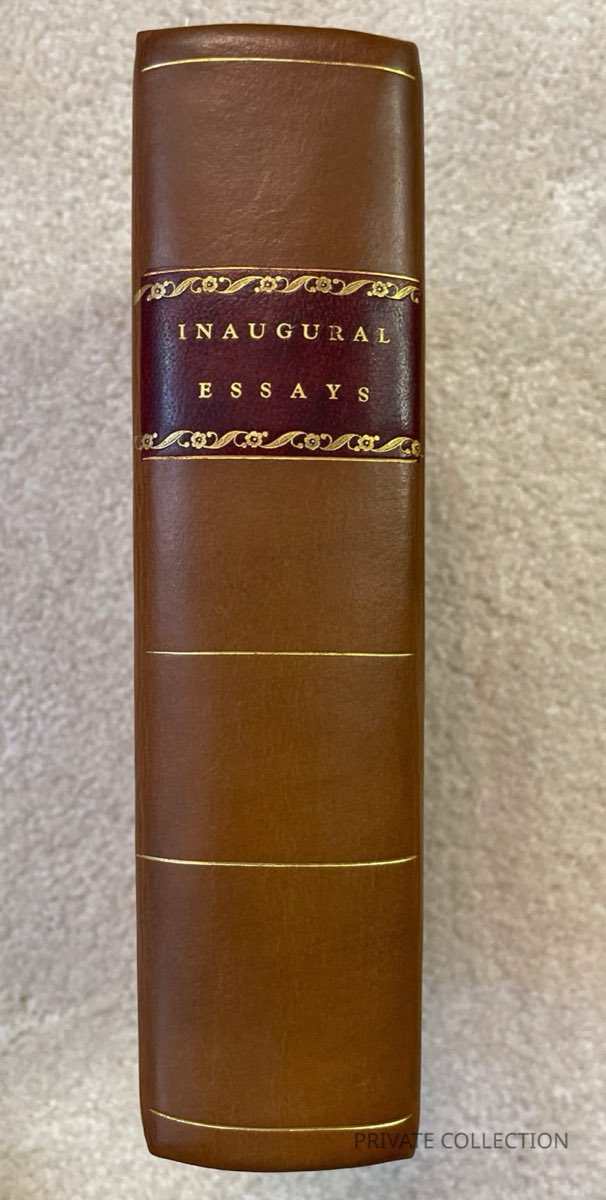
Sammelband
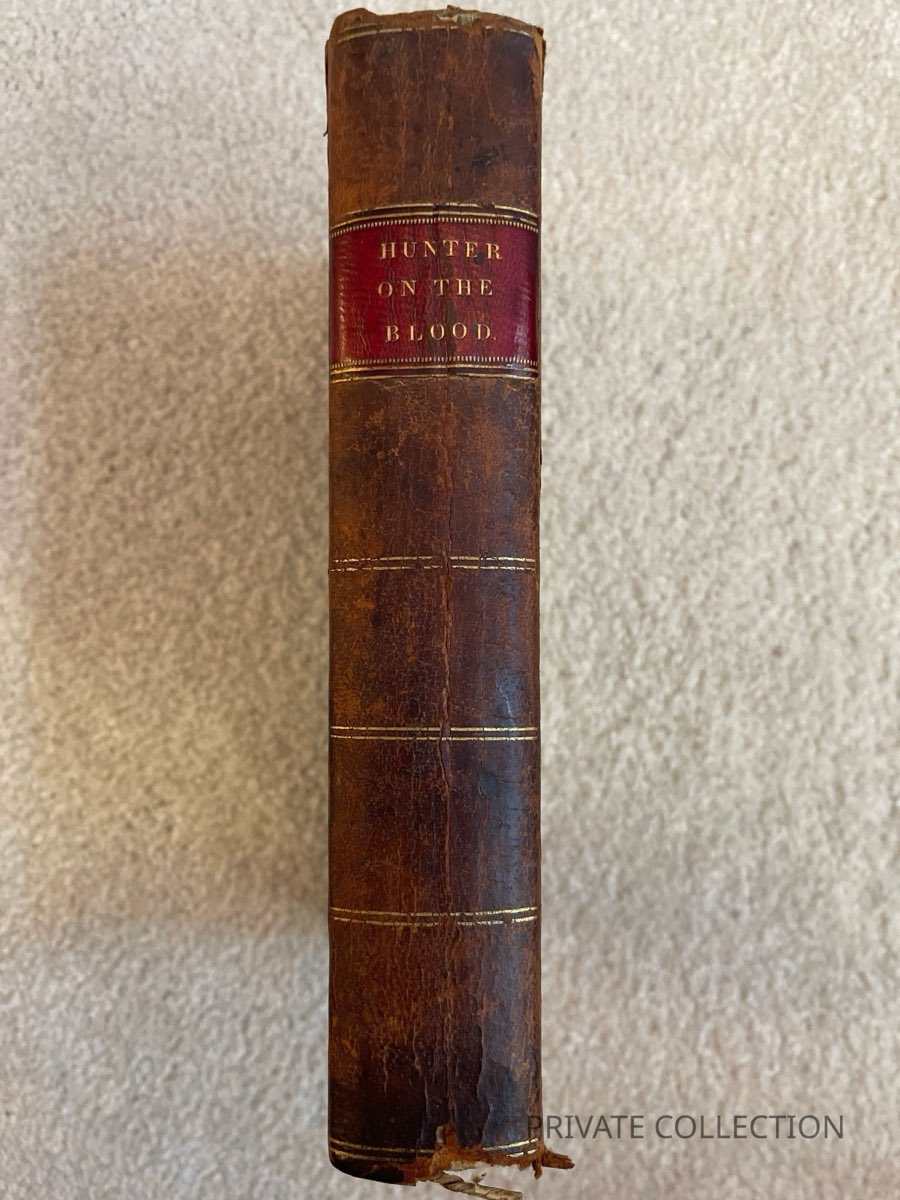
A Treatise on Diseases of the Blood and Gun Shot Wounds
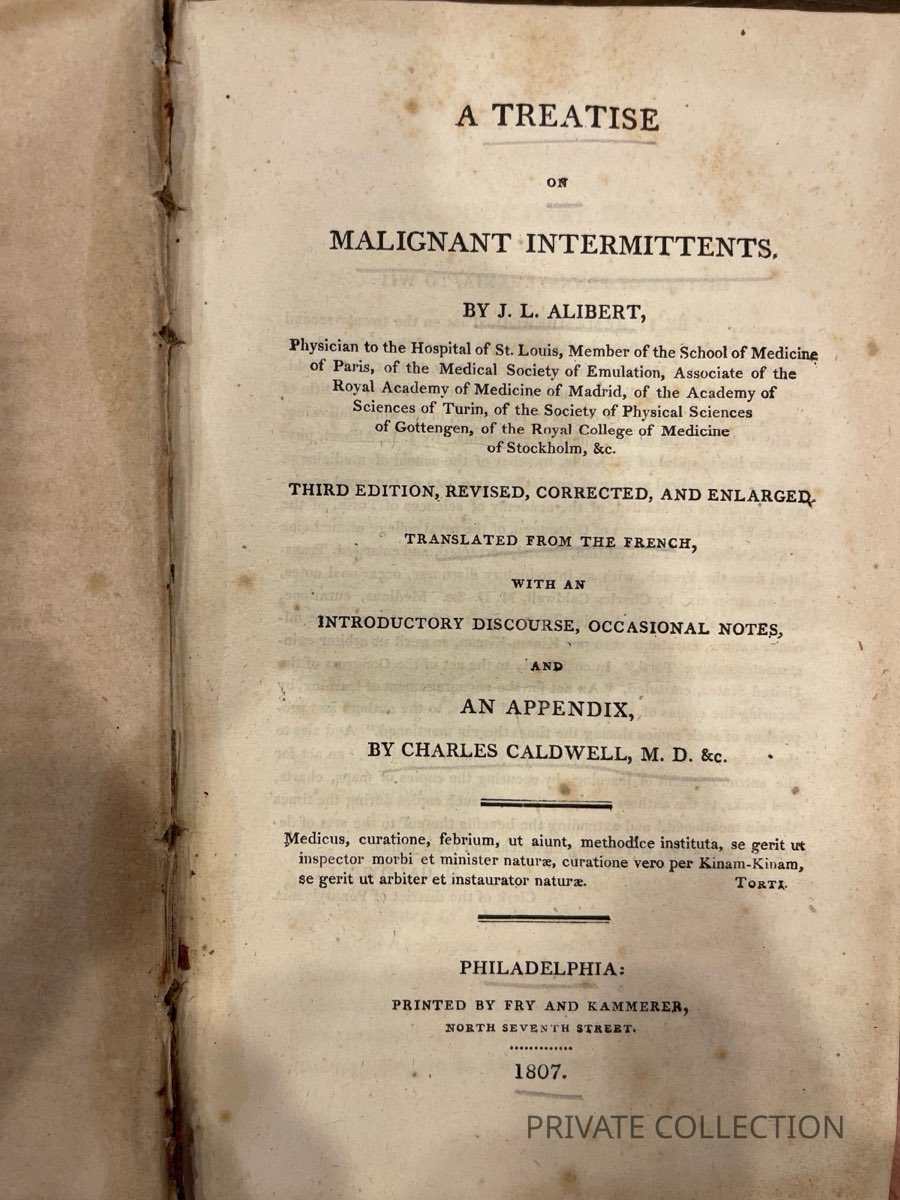
A Treatise on Malignant Intermittants