
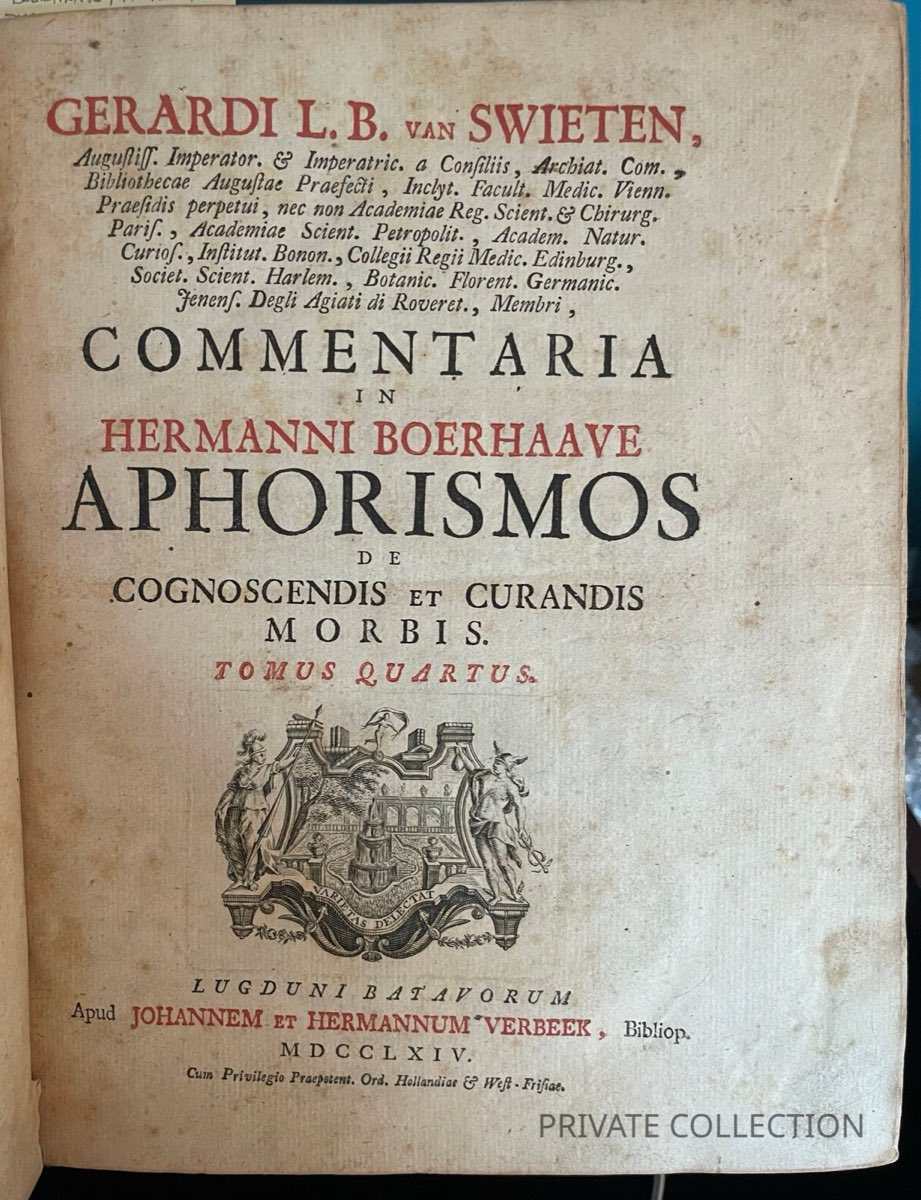
Benjamin Rush & Benjamin Franklin
THIS catalog begins with a letter that does not survive. In the summer of 1766, Benjamin Franklin wrote an introduction for a twenty-year-old Philadelphia physician named Benjamin Rush, who was about to sail for Edinburgh to complete his medical education. The letter, addressed to William Cullen, the most eminent physician in Britain, opened every important door that Rush's subsequent career would walk through. It is not in the collection — the original has not been located — but everything in this catalog is its consequence.
The Soiferman Collection documents the fifty-year relationship between these two men through the books, manuscripts, pamphlets, institutional records, and material objects they produced, owned, commissioned, and argued about. Franklin was sixty years old when Rush went to Edinburgh. He was the most famous American alive, the author of the electrical experiments that had made him a celebrity across Europe, the postmaster general, the philosopher, the printer. Rush was a nobody with talent and ambition and a letter of introduction. By the time Franklin died in April 1790, Rush was the most influential physician in America and Franklin's most devoted intellectual heir.
The catalog is organized as a narrative: the story of how Rush became who he was, told through the objects that document it. It begins in Edinburgh in 1766 and ends with Franklin's electrical legacy and Rush's Diseases of the Mind, published two years before his own death in 1813. Along the way it passes through the Pennsylvania Hospital they built together, the abolitionist cause they both championed, the criminal justice reform Rush pursued in Franklin's intellectual tradition, the temperance campaign that made Rush famous beyond medicine, and the libel suit against William Cobbett that revealed how much Rush's reputation was worth — and how bitterly it was contested.
The yellow fever section, documented exhaustively in Catalog I, appears here in brief cross-reference. The epidemic of 1793 was the greatest crisis of Rush's career and the strongest section of the collection; its full treatment belongs to its own volume. What appears here is the context that makes the epidemic comprehensible: the physician who survived it had been formed by Edinburgh and Franklin, by the Pennsylvania Hospital and the Abolition Society, by thirty years of arguing that medicine and moral reform were inseparable projects.
9 chapters and a coda
- CHAPTER I
The Letter Franklin Wrote
Edinburgh, 1766: Rush Arrives with an Introduction6 objects 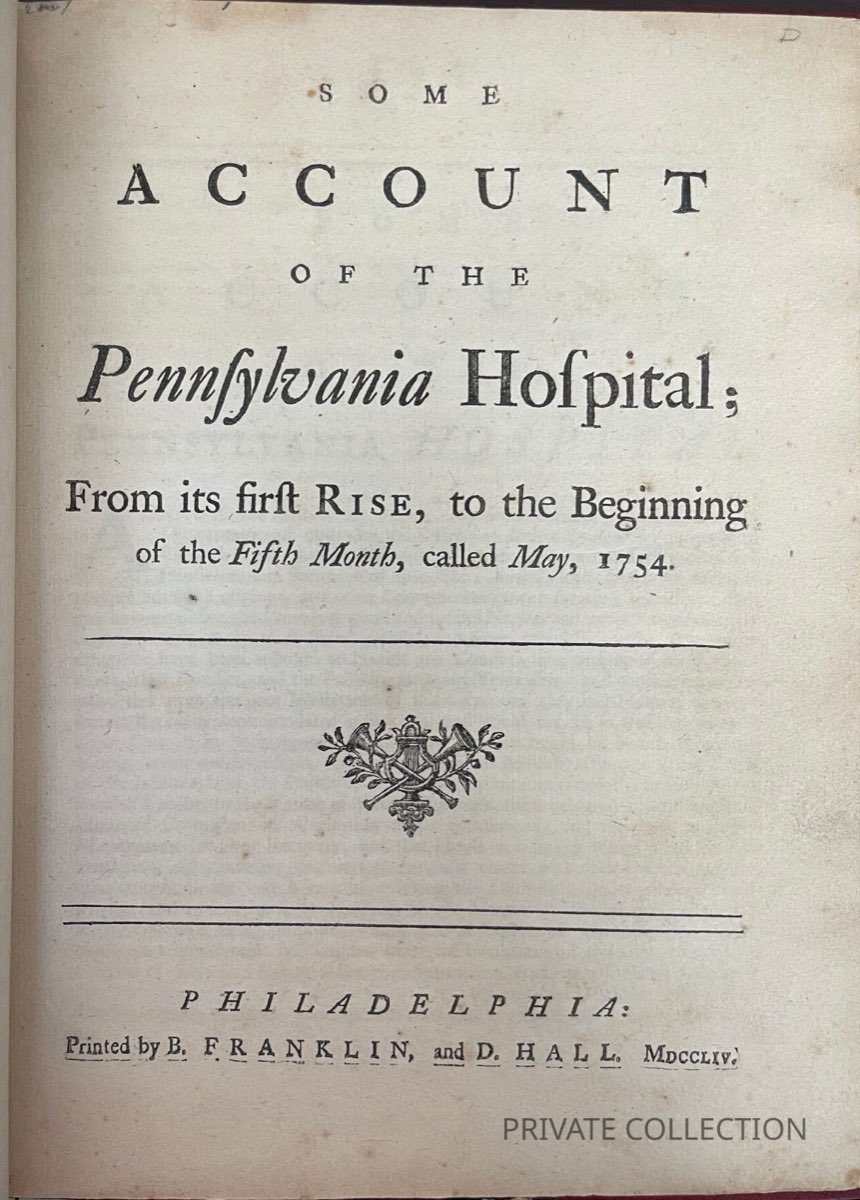 CHAPTER II
The Pennsylvania Hospital
Franklin's Foundation, Rush's Practice — 1751 to 18134 objects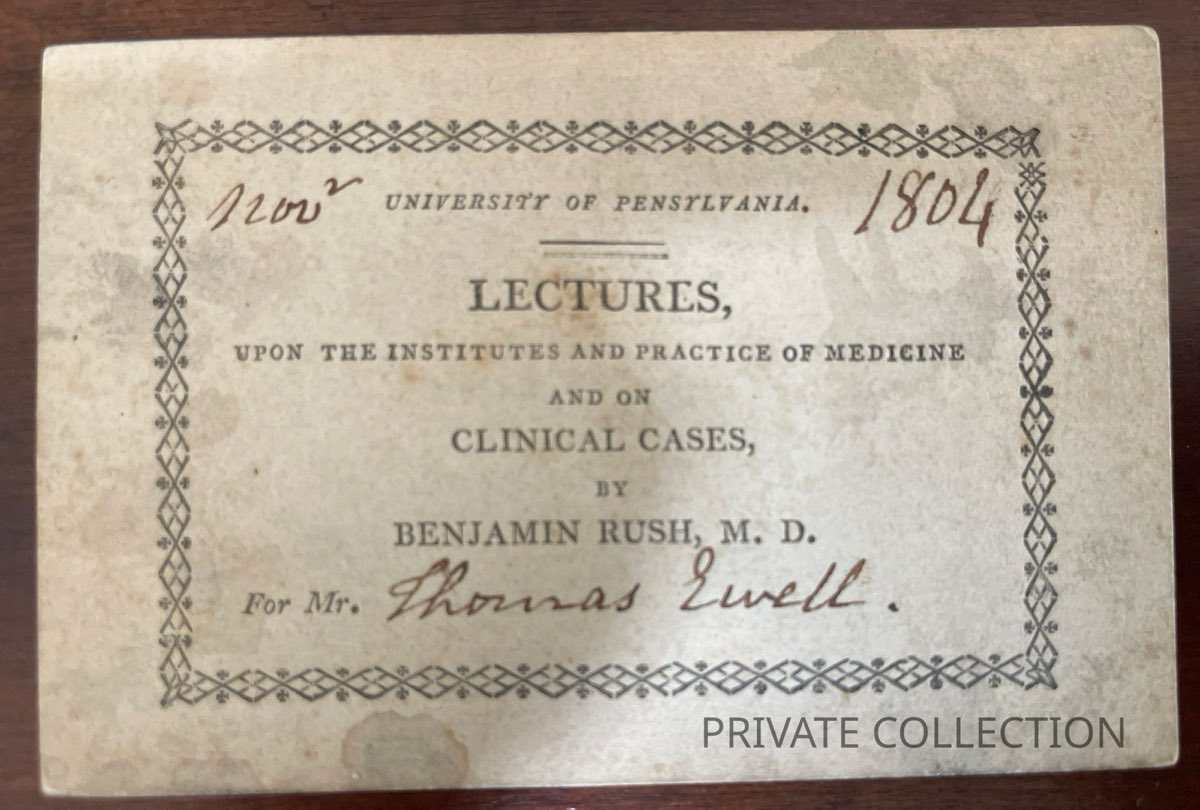 CHAPTER III
Rush the Educator
Three Thousand Students, Thirty Years of Lectures6 objects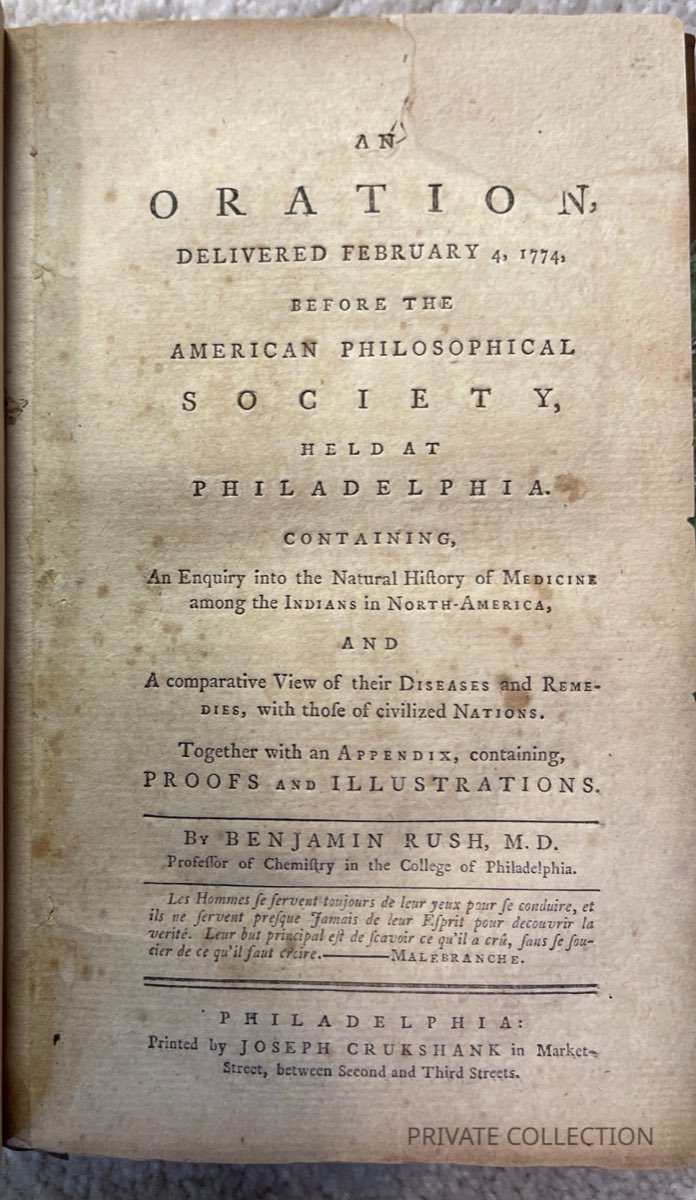 CHAPTER IV
Rush the Physician
Theory, Therapy, and the Tranquilizing Chair, 1774–181213 objects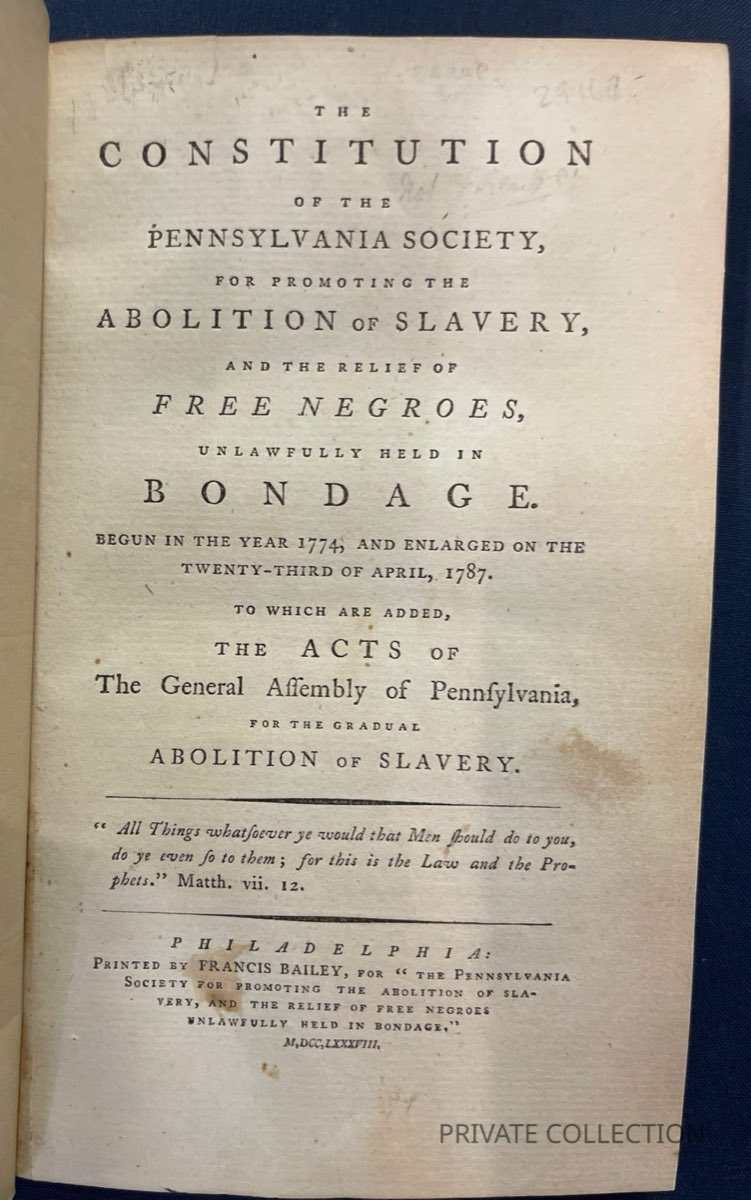 CHAPTER V
Against Slavery
Rush, Franklin, and the Pennsylvania Abolition Society4 objects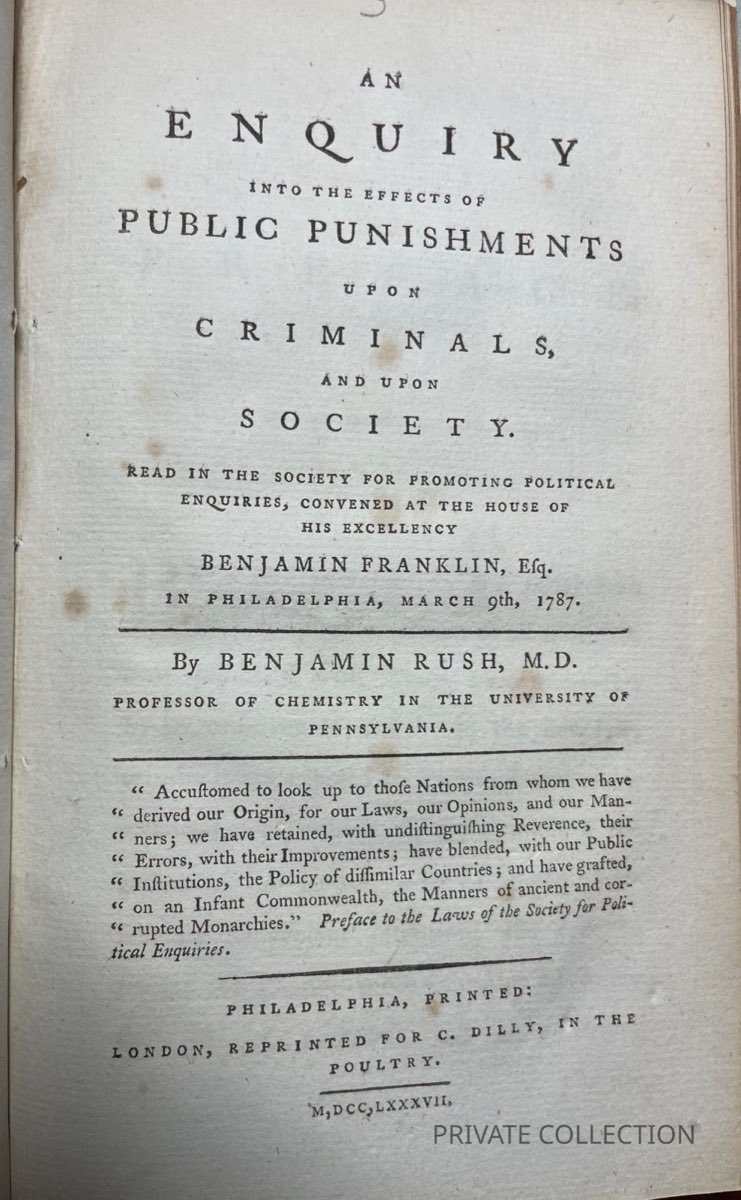 CHAPTER VI
Against the Gallows and the Whipping Post
Rush on Punishment, Law, and the Reform of the Republic4 objects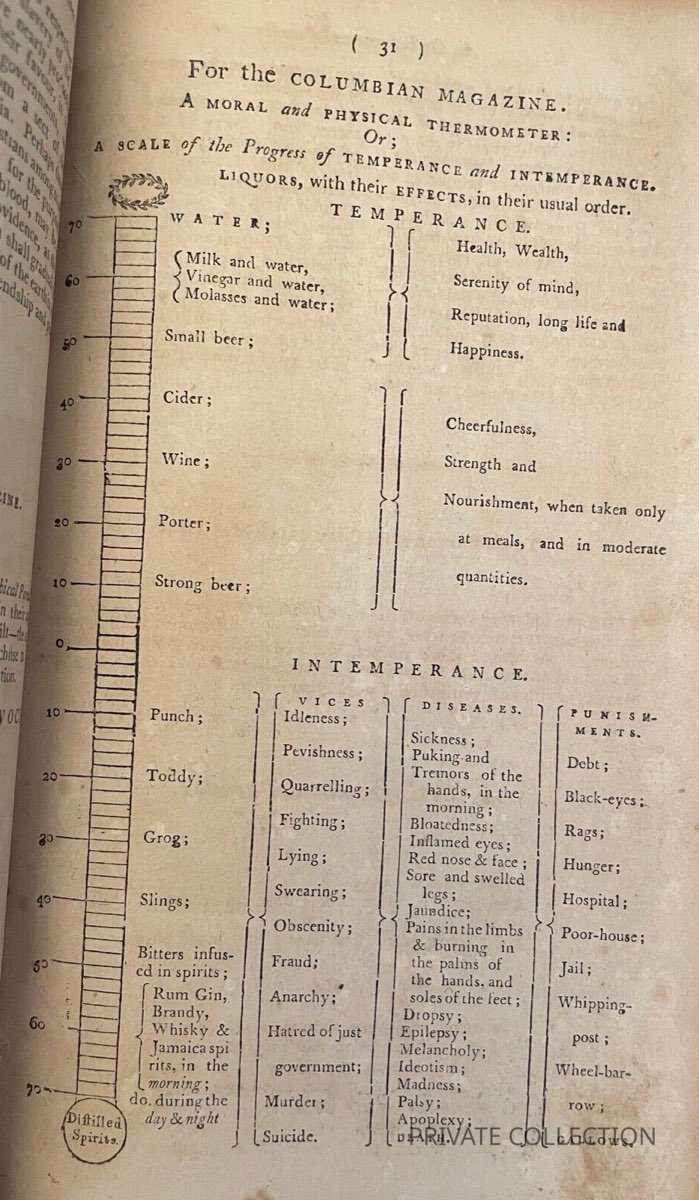 CHAPTER VII
The Moral and Physical Thermometer
Rush on Temperance, Health, and the Body Politic3 objects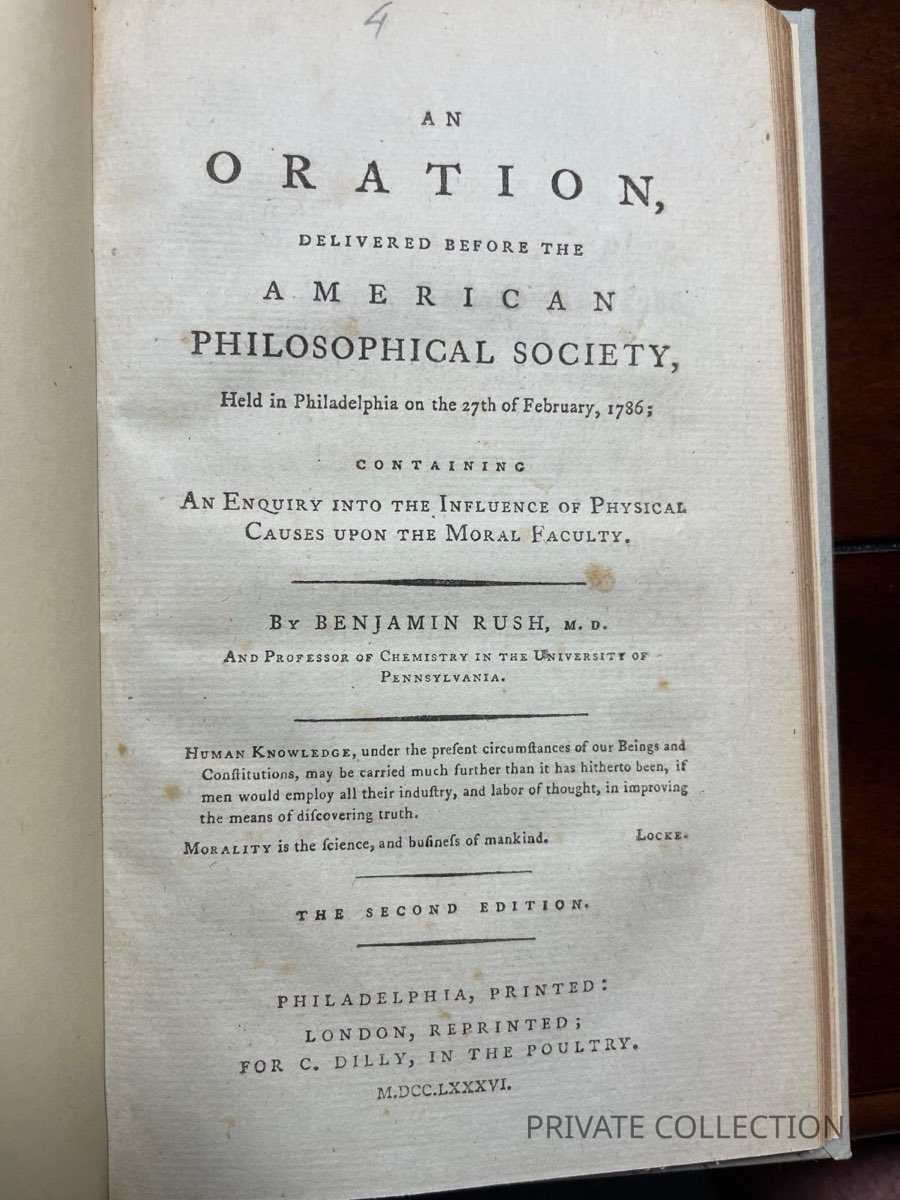 CHAPTER VIII
Rush in Public Life
Orations, Controversies, and the Cobbett Affair4 objects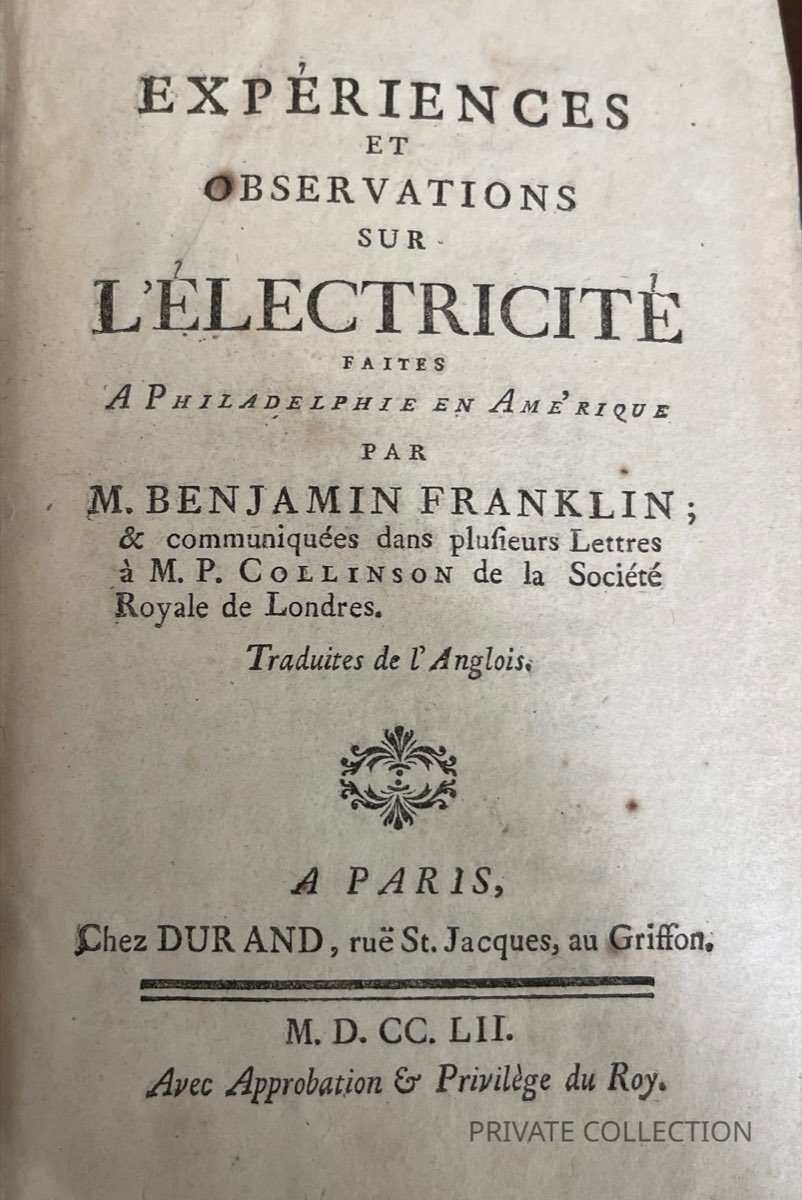 CHAPTER IX
Franklin the Mentor
Printer, Scientist, Institution Builder, and the Electrical Philosophy6 objects- CODA
The Mentor's Legacy
0 objects