Foreword
FRANKLIN was sixty-three when Rush came home from Edinburgh in 1769 with the letter of introduction that had sent him there, and the two men had twenty-one years left together. They were not equals and did not pretend to be. What they shared was a city, and more exactly a set of institutions that Franklin had founded and that Rush would inhabit: the Library Company, the Philosophical Society, the Hospital, the College and its medical school, and the reform societies of the 1780s that met, as often as not, in Franklin's own house.
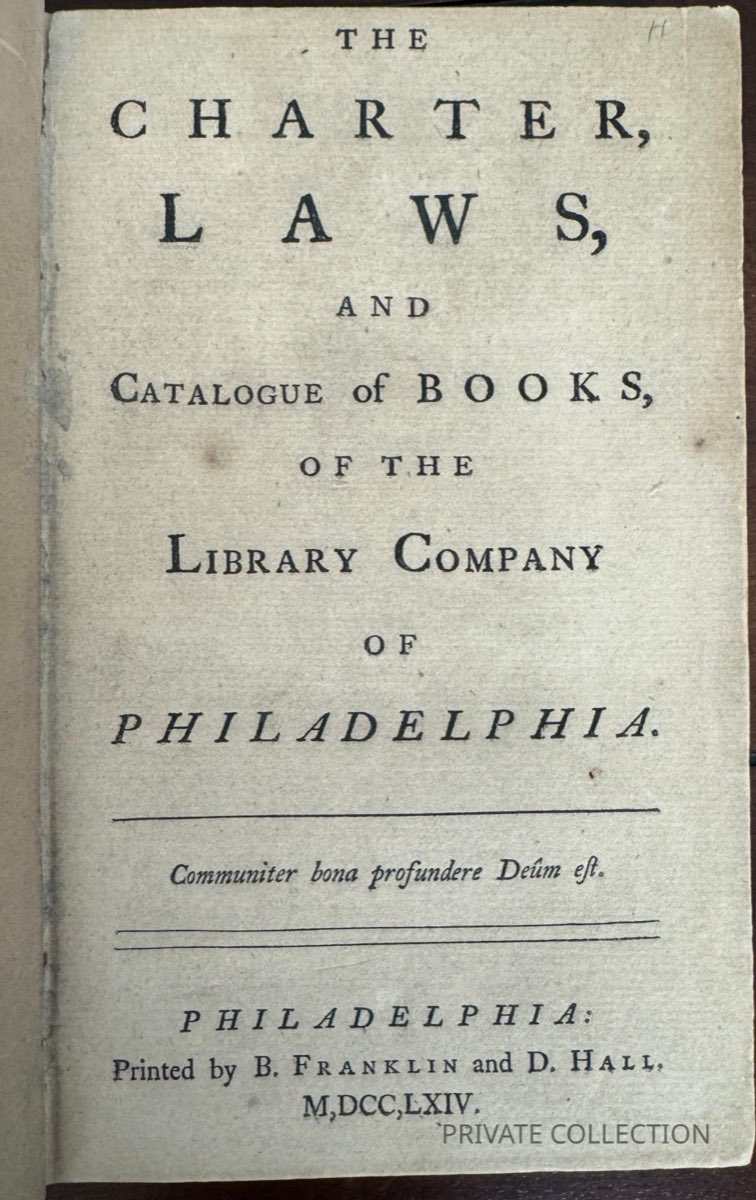
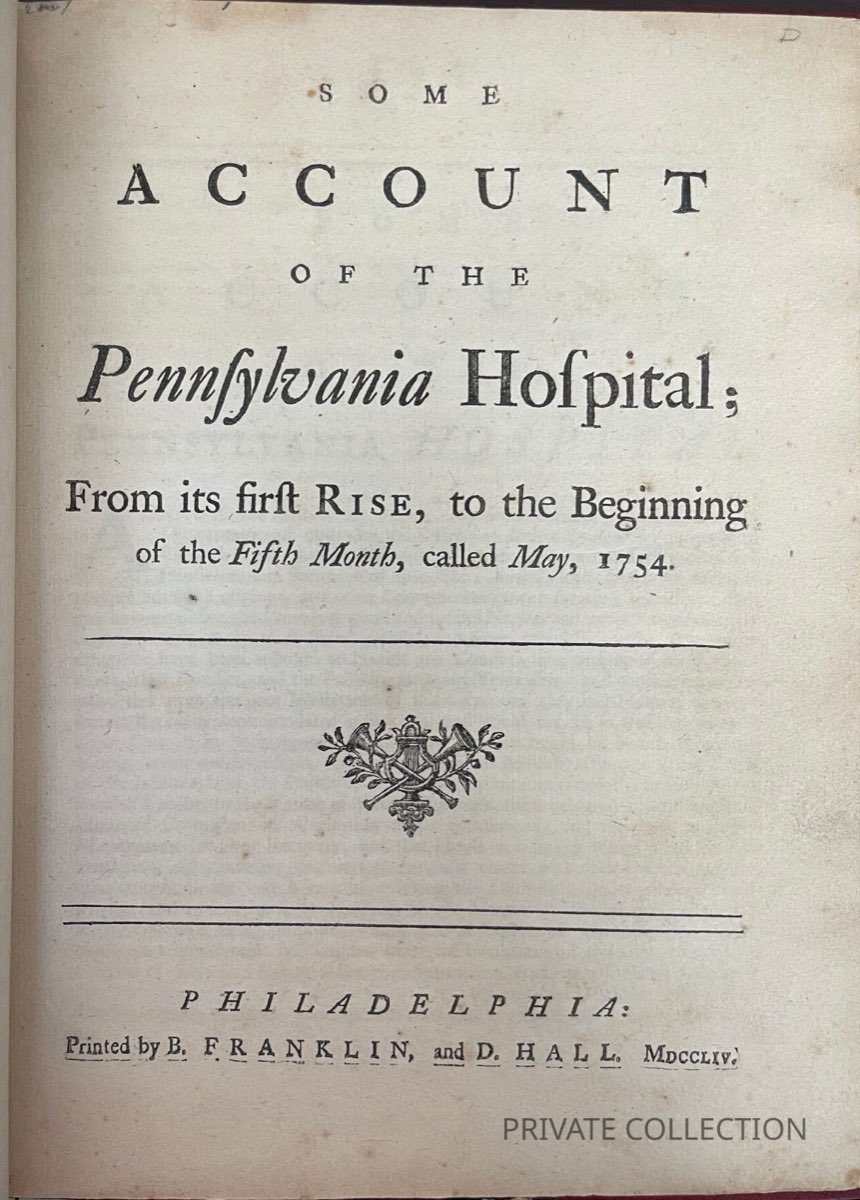
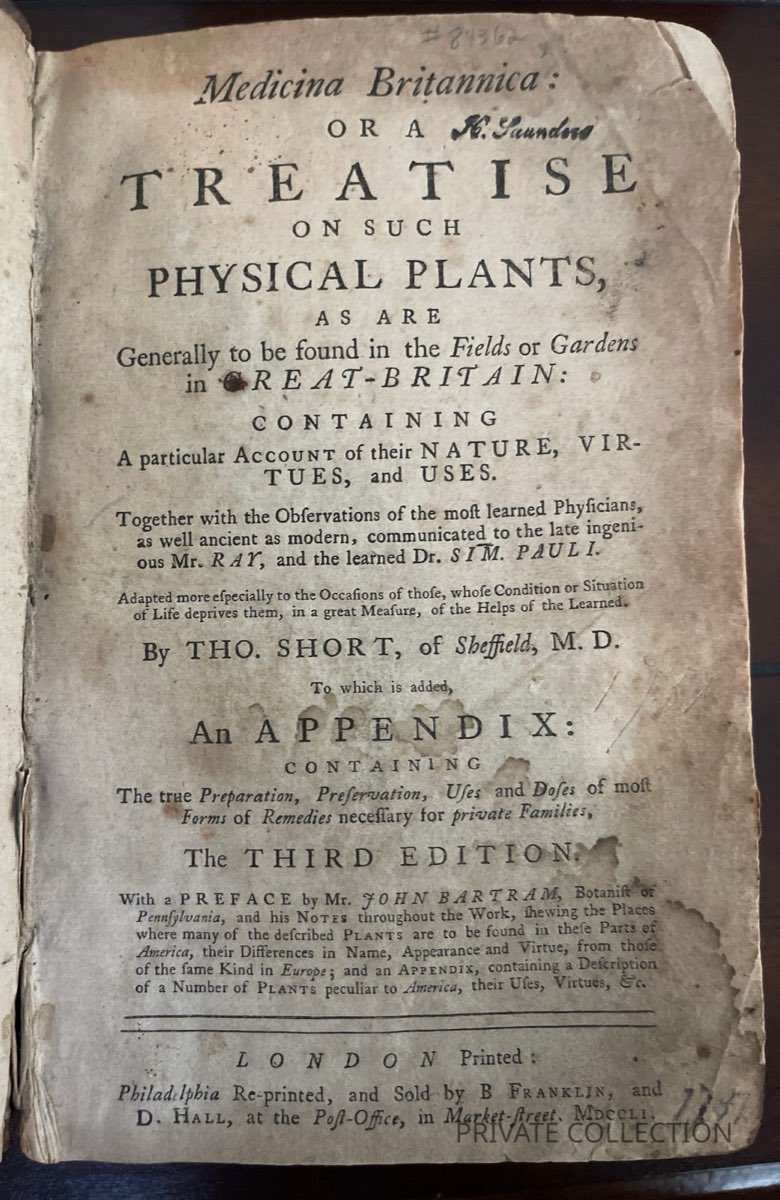
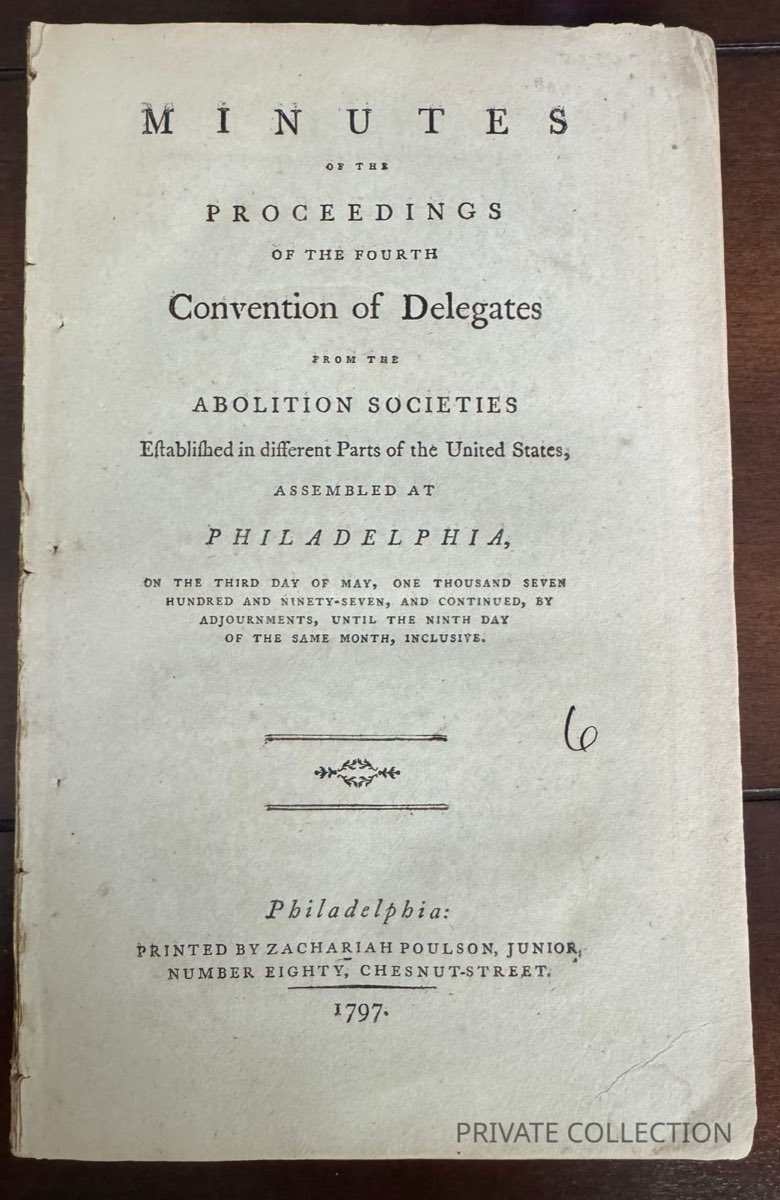
Catalog I tells the story of the two men in sequence — the letter, Edinburgh, the Hospital, the lecture room, the causes, the quarrels. This volume stands still and looks at the rooms. It holds the objects on which both their names appear, or in which one of them finished what the other had begun: the Hospital Franklin raised the money for in 1751 and Rush served for thirty years, in its promissory notes, its rules, and its physicians' papers; the catalogue of the library Franklin founded and his press printed, in the decade Rush read from it; the Transactions of the society Franklin proposed and Rush addressed; the herbal Franklin printed with Bartram's notes, twenty years before Rush learned the plants from Cullen; the stove Franklin invented, still being improved for the warming of hospitals when Rush was an old man; and the minutes of the abolition society of which Franklin was president and Rush a secretary.
Most of these institutions are still standing. The Library Company, the Philosophical Society, the Pennsylvania Hospital, and the University all keep the founder's name over the door and the physician's papers in their collections. What survives here is smaller and more particular: the paper the two men passed between them, and the buildings, on paper, that outlived them both.
They were not equals and did not pretend to be. What they shared was a set of rooms.