EIS LIBRIS
IV

The Revolution

From the Stamp to the Treaty, 1764–1785 — as Philadelphia, Boston, London, and Paris Saw It
EIS LIBRIS · Catalog IV

Foreword

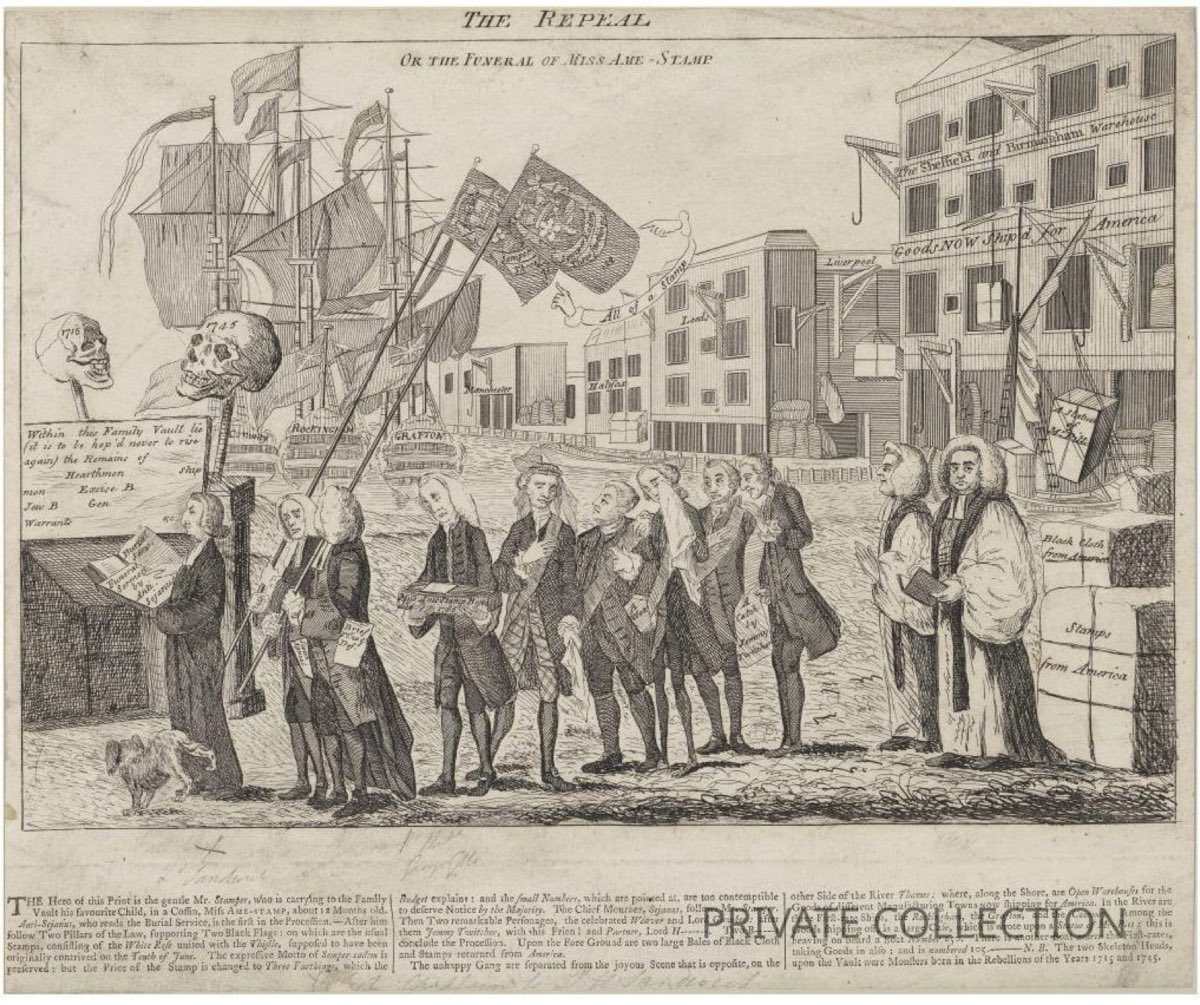
THIS catalog holds no muskets. The Revolution it tells is the one that arrived on paper: a stamp that almost no one would buy, an Act of Parliament and the print that mocked it, a lantern from a night of bells, a broadside in which a royal governor answered the charge of treason two weeks before his father voted for independence. It is the Revolution as the collection's two cities, Philadelphia and Boston, experienced it, and as London and Paris imagined it.

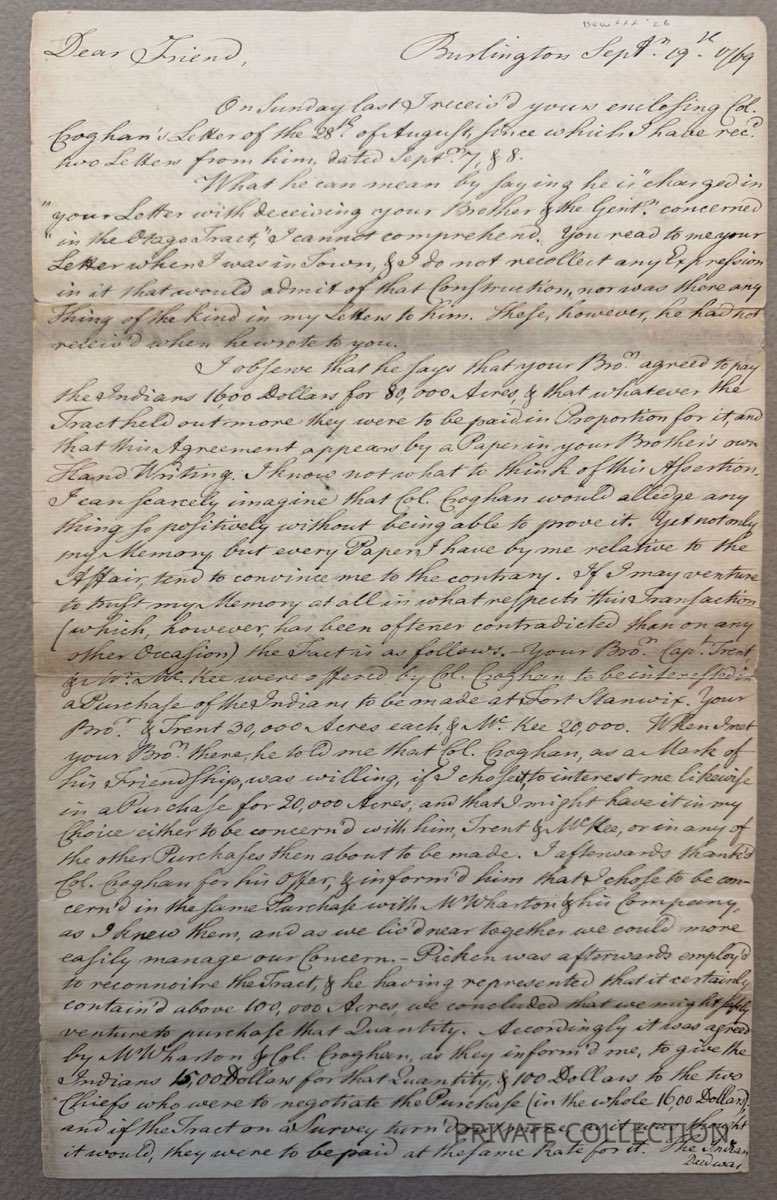
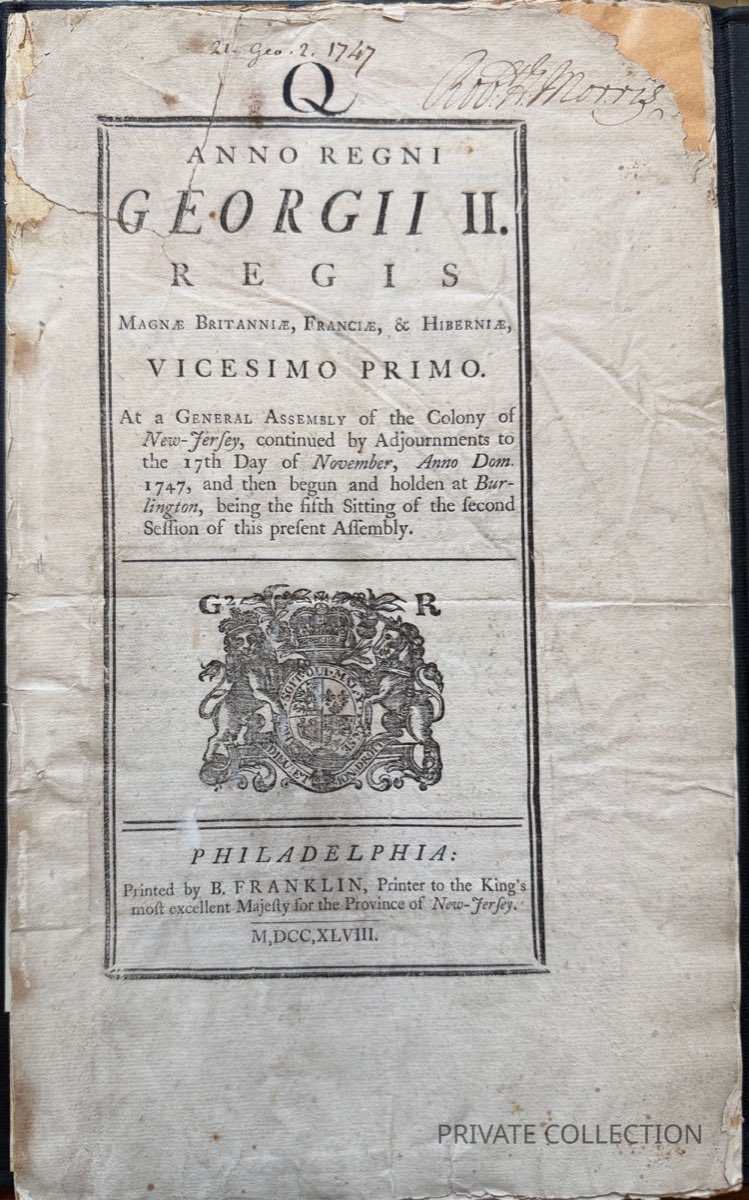
It is also, unavoidably, the story of two Franklins. Benjamin, in London for most of the crisis, first misjudged the Stamp Act, then argued it to death before the House of Commons, then stood silent for an hour in the Cockpit while the Solicitor General abused him, and came home to sign the Declaration. William, his only surviving son, was royal governor of New Jersey from 1763 to 1776, the last of the King's governors to hold his post, and went to a Connecticut jail rather than give it up. The two never reconciled. The collection holds them both.

The objects run in order, from the Assembly fight of 1764 that sent Franklin to London to the treaty of 1783 that he signed there for a nation that had not existed when he sailed. Each is placed where the story reaches it.

They will not find a rebellion; they may indeed make one.

Contents

8 chapters and a coda

Chapter I · 2 objects

The Petition and the Stamp

Pennsylvania and Parliament, 1764–1765

Read the chapter

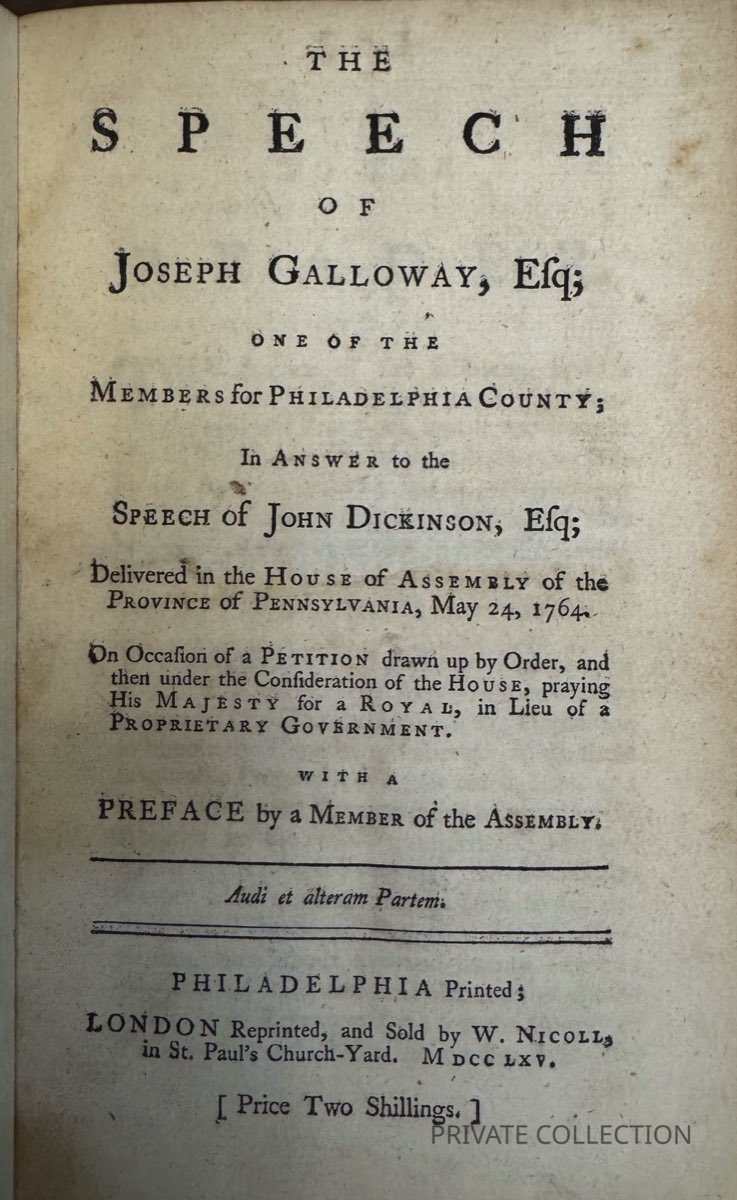
The Revolution reached Pennsylvania by way of a quarrel with its own proprietors. In the spring of 1764 the Assembly, led by Franklin and Joseph Galloway, resolved to petition the King to take the province from the Penn family and make it a royal colony.
Chapter Ii · 4 objects

The Repeal

Franklin before the Commons, and the Night Boston Lit the Tree, 1766

Read the chapter

On February 13, 1766, Benjamin Franklin stood at the bar of the House of Commons for four hours and answered a hundred and seventy-four questions about America. Many had been planted by friends; the hostile ones he turned. Asked whether the colonies could pay the tax, he explained that they could not.

Chapter Iii · 2 objects

King Street and the Cockpit

From the Massacre to the Privy Council, 1770–1774

Read the chapter

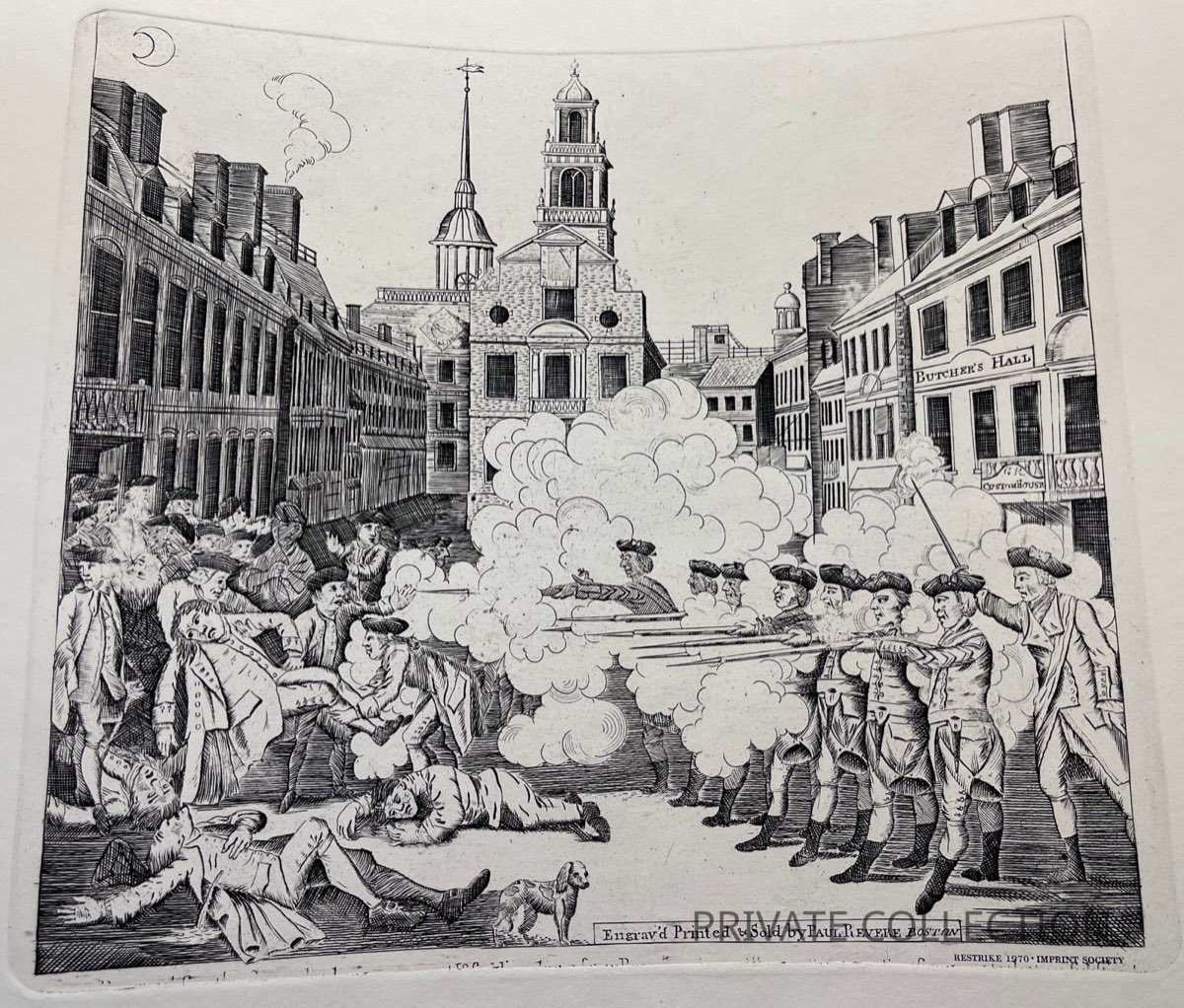
The reprieve lasted a year. The Townshend duties of 1767 taxed glass, paint, paper, and tea; the colonies resumed non-importation; and in October 1768 two regiments landed in Boston to keep the peace. On the evening of March 5, 1770, a crowd baited a sentry in King Street, the guard came out, and someone gave the order to fire.

Chapter Iv · 1 objects

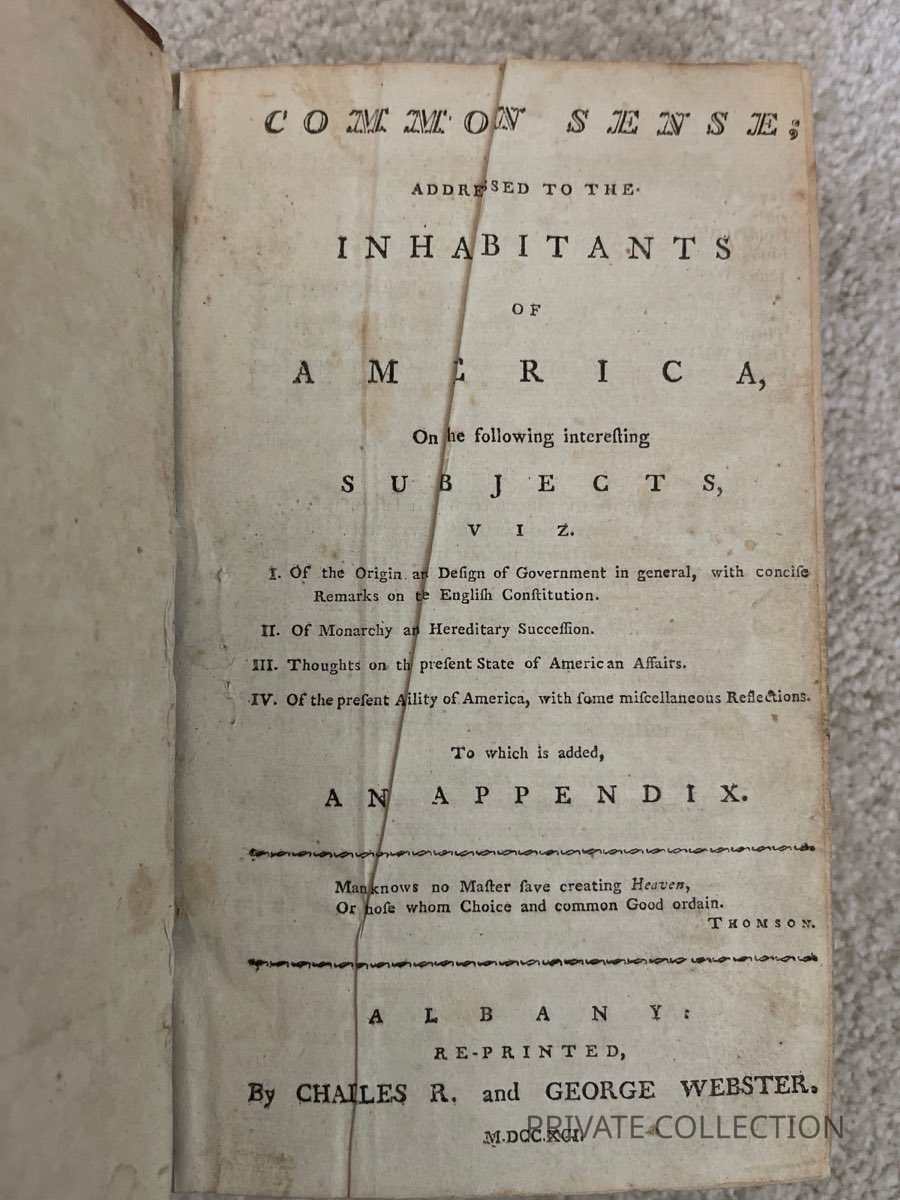
Common Sense

Paine, and the Letter of Introduction, 1774–1776

Read the chapter

Thomas Paine came to Philadelphia in November 1774 carrying a letter of introduction from Benjamin Franklin — the second such letter in this collection to change a life, after the one that sent Rush to Edinburgh.

Chapter V · 2 objects

Father and Son

William Franklin, the Last Royal Governor, June 1776

Read the chapter

William Franklin was appointed royal governor of New Jersey in 1763, partly as a reward to his father, and governed well. He was also his father's son in stubbornness. When the crisis came he chose the King, and his father chose the colonies, and each spent the last months before the break trying to convert the other.

Chapter Vi · 5 objects

The Declaration, and the Statue

Philadelphia and New York, July 1776

Read the chapter

On July 2, 1776, Benjamin Franklin and Benjamin Rush — mentor and physician, seventy and thirty — sat in the Pennsylvania State House and voted for independence.

Chapter Vii · 3 objects

The War as News

Bunker Hill, the French, and the Articles, 1775–1782

Read the chapter

The war reached the collection's shelves the way it reached most people who lived through it: as reports.

Chapter Viii · 5 objects

The Peace, and the Memory

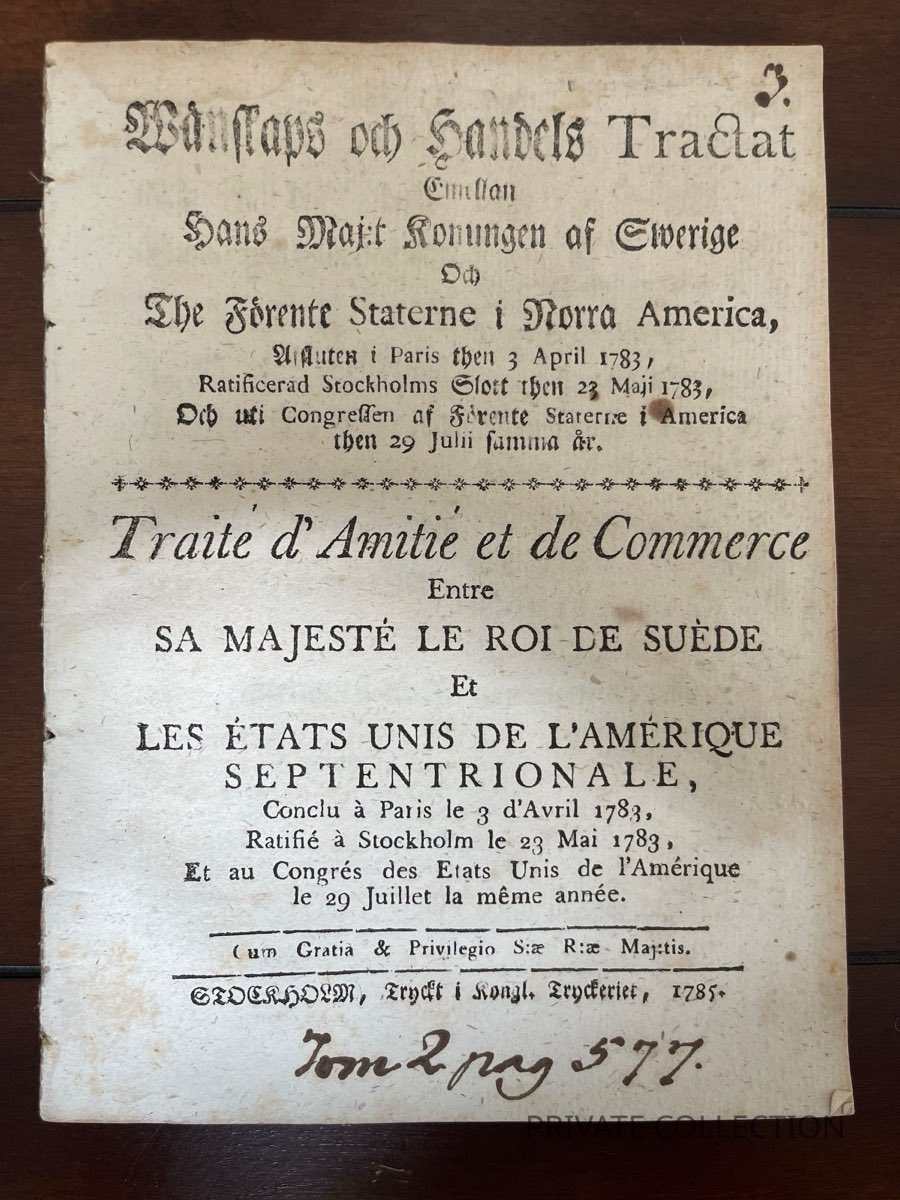
Paris, 1783, and the Histories, 1795–1859

Read the chapter

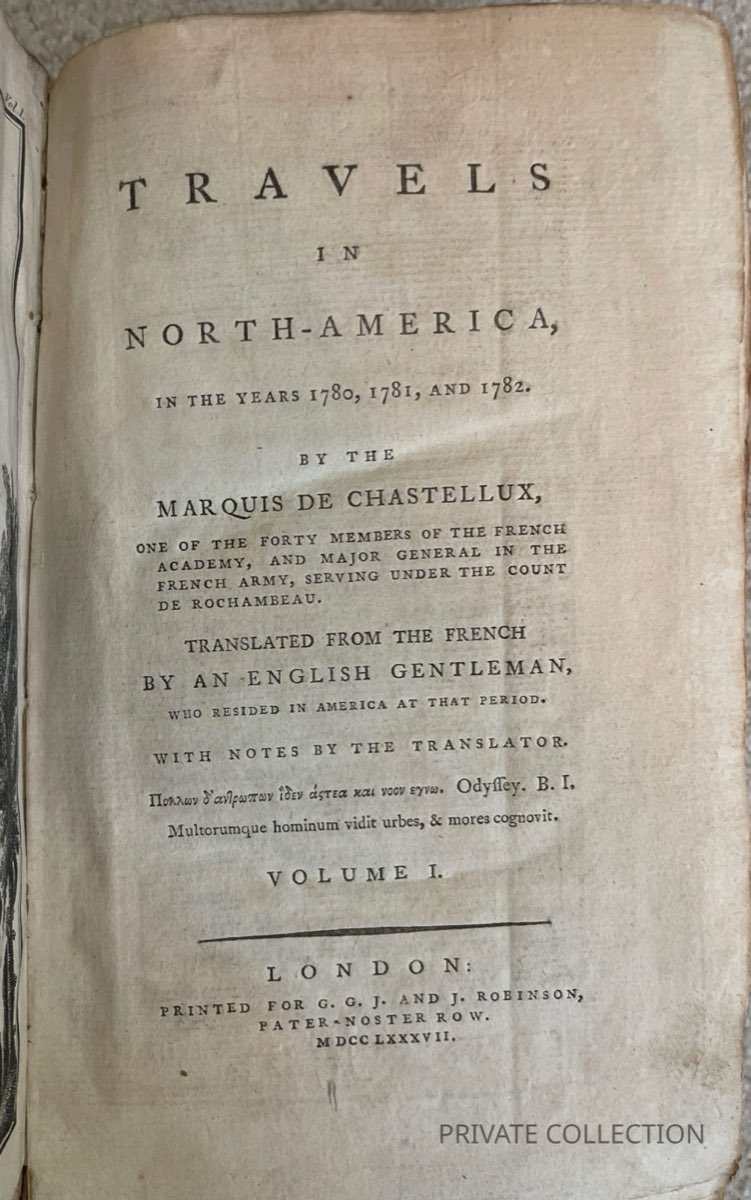
Franklin had sailed for France in October 1776, three months after the Declaration, and did not come home for nine years.

Coda · 0 objects

Two Franklins

Read the chapter

In 1785, on his way home from Paris, Benjamin Franklin stopped at Southampton and met his son for the first time in a decade. William had spent two years in prison and six more in occupied New York organizing Loyalist raids; he now lived in London on a British pension.

Works in this catalog

Everything in Catalog IV, by chapter

Chapter I · The Petition and the Stamp

Chapter Ii · The Repeal

Chapter Iii · King Street and the Cockpit

Chapter Iv · Common Sense

Chapter V · Father and Son

Chapter Vi · The Declaration, and the Statue

Chapter Vii · The War as News

Chapter Viii · The Peace, and the Memory